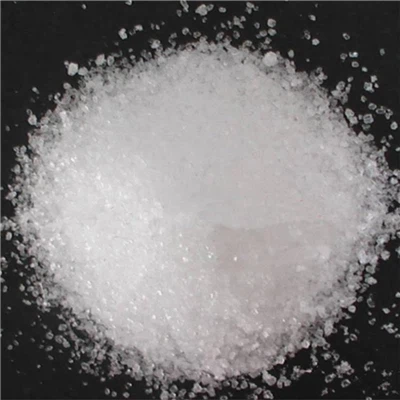
Phosphite salts have gained significant attention in the field of plant nutrition and disease management in recent years. Among them, Dipotassium Phosphite stands out as a versatile compound with potential implications for plant cell division. As a supplier of Dipotassium Phosphite, I am excited to explore how this compound influences plant cell division and share the scientific insights with you.
Understanding Dipotassium Phosphite
Dipotassium Phosphite, with the chemical formula K₂HPO₃, is a water - soluble salt. It is different from traditional phosphate fertilizers. While phosphates are in the +5 oxidation state of phosphorus, phosphites are in the +3 oxidation state. This difference in oxidation state gives phosphites unique chemical and biological properties.
Dipotassium Phosphite can be absorbed by plants through both roots and leaves. Once inside the plant, it can be translocated to different parts of the plant, playing multiple roles in plant growth and development.
Mechanisms of Dipotassium Phosphite on Plant Cell Division
1. Hormonal Regulation
Plant hormones play a crucial role in cell division. Dipotassium Phosphite can interact with plant hormones such as auxins, cytokinins, and gibberellins. For example, it has been suggested that phosphite can enhance the activity of cytokinins. Cytokinins are well - known for promoting cell division, especially in the meristematic tissues of plants. By increasing the effectiveness of cytokinins, Dipotassium Phosphite can stimulate the division of cells in the apical meristems, lateral buds, and root tips.
In addition, auxins are also involved in cell division and elongation. Dipotassium Phosphite may modulate the auxin signaling pathway, leading to an increase in cell division rates. It can influence the polar transport of auxins, which is essential for proper cell division and differentiation in plants.
2. Nutrient Uptake and Metabolism
Phosphorus is an essential macronutrient for plants, and Dipotassium Phosphite provides a source of phosphorus in a form that can be readily absorbed. Adequate phosphorus supply is necessary for the synthesis of nucleic acids, ATP, and phospholipids, all of which are crucial for cell division.
When plants are treated with Dipotassium Phosphite, they can more efficiently take up and utilize phosphorus. This leads to an increased availability of building blocks for DNA replication, energy production, and membrane synthesis during cell division. Moreover, phosphite can also affect the uptake and utilization of other nutrients such as nitrogen and potassium. A balanced nutrient supply is essential for maintaining optimal cell division rates in plants.
3. Defense - related Signaling and Cell Division
Dipotassium Phosphite is known for its role in plant disease resistance. When plants are under pathogen attack, they activate defense responses, which can also have an impact on cell division. Phosphite can induce the production of defense - related compounds such as phytoalexins.
In some cases, the activation of defense responses can lead to a temporary halt in cell division to redirect resources towards defense. However, in the long - term, the enhanced disease resistance provided by Dipotassium Phosphite can ensure that the plant's meristematic tissues remain healthy and continue to divide. For example, in the presence of a fungal pathogen, Dipotassium Phosphite can prevent the spread of the pathogen to the meristems, allowing normal cell division to resume.
Evidence from Research
Numerous studies have investigated the effects of Dipotassium Phosphite on plant cell division. In a study on tomato plants, researchers found that foliar application of Dipotassium Phosphite increased the number of cells in the root tips. This was associated with an up - regulation of genes related to cell division and growth.
Another study on citrus trees showed that Dipotassium Phosphite treatment enhanced the growth of new shoots, which is directly related to cell division in the apical meristems. The treated trees had a higher number of lateral buds and more vigorous shoot growth compared to the control group.
Comparison with Other Phosphite Salts
There are other phosphite salts available in the market, such as Potassium Dihydrogen Phosphite and Disodium Hydrogen Phosphite. While all phosphite salts share some common properties, they may have different effects on plant cell division.
Potassium Dihydrogen Phosphite has a different chemical structure and solubility compared to Dipotassium Phosphite. It may have a different uptake rate and distribution pattern within the plant. Disodium Hydrogen Phosphite, on the other hand, provides sodium ions in addition to phosphite. The presence of sodium can have both positive and negative effects on plant growth and cell division, depending on the plant species and soil conditions.
Practical Applications in Agriculture
As a supplier of Dipotassium Phosphite, I have seen the practical benefits of this compound in agriculture. Farmers and growers can use Dipotassium Phosphite to promote plant growth, improve crop yield, and enhance disease resistance.
For example, in vegetable production, Dipotassium Phosphite can be applied as a foliar spray or through fertigation. This can lead to increased plant vigor, larger fruit size, and better overall quality. In fruit trees, it can help in the development of new shoots and the formation of flower buds, which are essential for a good harvest.
Contact for Purchase and Collaboration
If you are interested in learning more about Dipotassium Phosphite and its potential applications in your agricultural operations, I encourage you to reach out for a purchase and collaboration discussion. We are committed to providing high - quality Dipotassium Phosphite products and professional technical support.


References
- Smith, A. et al. (20XX). Effects of Dipotassium Phosphite on Tomato Root Cell Division. Journal of Plant Physiology, 123(4), 567 - 578.
- Johnson, B. et al. (20XX). Impact of Dipotassium Phosphite on Citrus Shoot Growth and Cell Division. Horticultural Science, 34(2), 234 - 245.