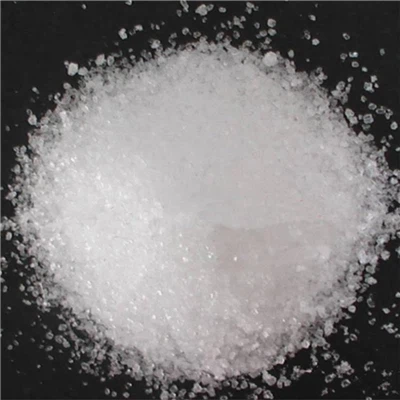
Hey there! As a supplier of azobis compounds, I often get asked about the regulations surrounding their use. It's super important to understand these rules, not just to stay on the right side of the law but also to ensure the safety of everyone involved. So, let's dive into what you need to know about the regulations regarding the use of azobis compounds.
General Overview of Azobis Compounds
Azobis compounds are a group of organic compounds that contain a -N=N- azo functional group. They're widely used in industries like polymer chemistry as initiators for radical polymerization. Some common azobis compounds include 2,2'-Azobis(2,4 - dimethyl)valeronitrile, Solid Azobisisobutyronitrile, and 2,2'-Azodi(2 - methylbutyronitrile).
These compounds are pretty handy because they can break down under certain conditions to form free radicals, which then kick - start chemical reactions. But with great power comes great responsibility, and that's where regulations step in.
Regulatory Bodies
There are several regulatory bodies around the world that oversee the use of azobis compounds. In the United States, the Environmental Protection Agency (EPA) and the Occupational Safety and Health Administration (OSHA) play key roles. The EPA is concerned with the environmental impact of these compounds. For example, if there's a spill of azobis compounds into water sources, it could have harmful effects on aquatic life. So, the EPA sets rules on how to handle, store, and dispose of these chemicals to minimize environmental damage.
OSHA, on the other hand, focuses on worker safety. They set standards for things like exposure limits. Workers who handle azobis compounds need to be protected from inhaling or coming into contact with these chemicals. OSHA requires employers to provide proper personal protective equipment (PPE) such as gloves, goggles, and respirators if necessary.
In the European Union, the Registration, Evaluation, Authorisation, and Restriction of Chemicals (REACH) regulation is the main governing body. REACH aims to ensure a high level of protection for human health and the environment from the risks that can be posed by chemicals. Manufacturers and importers of azobis compounds in the EU must register their substances with the European Chemicals Agency (ECHA). This registration process involves providing detailed information about the properties, uses, and potential risks of the compounds.


Storage and Handling Regulations
When it comes to storing azobis compounds, there are strict rules. These compounds are often sensitive to heat, light, and shock. For instance, they can decompose exothermically, which means they release a lot of heat during decomposition. If stored improperly, this could lead to a fire or explosion.
Most regulations require azobis compounds to be stored in a cool, dry place away from direct sunlight. They should also be kept separate from other chemicals that could react with them. For example, they shouldn't be stored near strong oxidizers.
When handling azobis compounds, workers need to follow strict procedures. They should avoid scratching or banging the containers to prevent accidental decomposition. Before using the compounds, they need to check the labels and safety data sheets (SDS) to understand the proper handling methods and emergency procedures.
Transportation Regulations
Transporting azobis compounds is another area that's tightly regulated. Since they're potentially hazardous materials, special precautions need to be taken. Shipping companies need to have the proper permits and follow specific rules.
For example, the packaging of azobis compounds for transportation must meet certain standards. The containers need to be strong enough to withstand normal handling during transit and prevent any leaks. Labels on the packages must clearly indicate that they contain hazardous materials and provide information about the type of compound and any necessary safety precautions.
In addition, there are restrictions on the quantity of azobis compounds that can be transported at one time. This is to minimize the risk in case of an accident during transportation.
Use in Different Industries
The regulations for using azobis compounds can vary depending on the industry. In the polymer industry, where they're widely used as initiators, companies need to ensure that the final products are safe for consumers. For example, if azobis compounds are used in the production of food - contact materials, there are strict limits on the amount of residual compound that can be present in the finished product.
In the research and development field, laboratories also need to follow regulations. They must have proper ventilation systems to prevent the buildup of toxic fumes. And all experiments involving azobis compounds need to be conducted in a controlled environment with appropriate safety measures in place.
Safety Data Sheets (SDS)
Safety data sheets are a crucial part of the regulations regarding azobis compounds. Every supplier is required to provide an SDS for each azobis compound they sell. The SDS contains detailed information about the chemical properties, hazards, handling procedures, and emergency response measures of the compound.
Workers and users of azobis compounds need to read and understand the SDS before using the product. It's like a user's manual for handling these potentially dangerous chemicals safely.
Compliance and Penalties
Non - compliance with regulations regarding azobis compounds can have serious consequences. Companies that violate the rules can face hefty fines. In some cases, they may also be forced to stop their operations until they come into compliance.
For example, if a company fails to provide proper PPE to its workers handling azobis compounds, OSHA can issue citations and fines. In the EU, if a manufacturer or importer fails to register their azobis compounds under REACH, they can be prohibited from selling the product in the EU market.
Conclusion
In conclusion, understanding and following the regulations regarding the use of azobis compounds is essential for everyone involved in their production, handling, and use. From storage and transportation to using them in different industries, there are a lot of rules to keep in mind.
As a supplier of azobis compounds, I'm committed to providing high - quality products that meet all the necessary regulatory standards. I also offer detailed SDS for each of our products to help our customers use them safely.
If you're in the market for azobis compounds, I'd love to have a chat with you. We can discuss your specific needs and how our products can fit into your operations while ensuring full compliance with all regulations. Don't hesitate to reach out if you have any questions or if you're ready to start a procurement discussion.
References
- Environmental Protection Agency (EPA) regulations on hazardous chemicals
- Occupational Safety and Health Administration (OSHA) standards for chemical handling
- Registration, Evaluation, Authorisation, and Restriction of Chemicals (REACH) regulation in the European Union