Your Professional Phosphite Salts Acid Supplier!
Nantong Shengfeng Chemical Co., Ltd. is located in Fengli Town, Nantong City, bordering the Yangtze River to the south and the Yellow Sea to the east. Situated within Shanghai's one-hour economic circle, it enjoys convenient land and water transportation, giving it a significant geographical advantage. The company specializes in producing a series of phosphonates, including phosphonic acid, potassium dihydrogen phosphate, and potassium phosphonate.
-
![Potassium Salt Of Phosphorous Acid]() Potassium Salt Of Phosphorous AcidForm: Liquid or solid depending on order specificationMain Component: Potassium salt of phosphorous acidAppearance: Clear liquid or white solid depending on formSolubility: Water-solubleApplication Grade: Agricultural and industrialread more
-
![Food Grade Potassium Dihydrogen Phosphite]() Food Grade Potassium Dihydrogen PhosphiteForm: Powder or crystalline solidMain Component: Potassium dihydrogen phosphiteGrade: Food gradeAppearance: White crystalline or powder solidSolubility: Water-solubleread more
-
![Diammonium Hydrogen Phosphite 97 Solid]() Diammonium Hydrogen Phosphite 97 SolidForm: SolidMain Component: Diammonium hydrogen phosphiteContent: 97 solidAppearance: White to off-white crystalline or powder solidSolubility: Water-soluble depending on formulation concentrationread more
-
![Calcium Dihydrogen Phosphite]() Calcium Dihydrogen PhosphiteForm: Powder or crystalline solidMain Component: Calcium dihydrogen phosphiteAppearance: White to off-white solidSolubility: Soluble or partially soluble depending on formulation systemread more
-
![Sodium Phosphite Dibasic Pentahydrate]() Sodium Phosphite Dibasic PentahydrateForm: Crystalline solidMain Component: Sodium phosphite dibasic pentahydrateChemical Type: Sodium phosphite saltAppearance: White crystalline solidread more
-
![60 Liquid Potassium Phosphite Solution]() 60 Liquid Potassium Phosphite SolutionForm: Liquid solutionMain Component: Potassium phosphiteConcentration: 60%Appearance: Clear to light-colored liquidSolubility: Easily soluble in waterread more
-
![Potassium Phosphite Fertilizer]() Potassium Phosphite FertilizerForm: Liquid or solid depending on customer requirementMain Component: Potassium phosphiteApplication Type: Fertilizer raw material or fertilizer formulationAppearance: Clear liquid or white solid depending on specificationread more
-
![Mono Potassium Phosphite]() Mono Potassium PhosphiteMono potassium phosphite is an important chemical product with wide applications in agriculture and industrial water treatment.read more
-
![Dipotassium Phosphite]() Dipotassium PhosphiteItem: Details. Chinese Name / Aliases: Potassium Dihydrogen Phosphite, Potassium Dihydrogen Phosphite (Crystal). English Name: Potassium dihydrogen phosphite / Monopotassium phosphite. Chemical Formula / Relative Molecular Mass: KH₂PO₃,read more
-
![Disodium Hydrogen Phosphite]() Disodium Hydrogen PhosphiteItem: Details. Chinese Name/Alias: Disodium Hydrogen Phosphite, Disodium Phosphite Pentahydrate. English Name: Disodium hydrogen phosphite. CAS No.: Pentahydrate: 13517-23-2; Anhydrous: 13708-85-5read more
-
![Calcium Phosphinate]() Calcium PhosphinateItem: Details. Chinese Name/Aliases: Calcium Hypophosphite, Calcium Dihydrogen Hypophosphite, Calcium Phosphinate. English Name: Calcium hypophosphite. Chemical Formula/Relative Molecular Mass: Ca(H₂PO₂)₂, 170.05–170.06read more
-
![Diammonium Phosphite]() Diammonium PhosphiteItem: Details. Chinese Name/Alias: Diammonium Hydrogen Phosphite, Diammonium Phosphite. English Name: Diammonium hydrogen phosphite / Diammonium phosphite. Common Specification/Molecular Formula/Molecular Weight: Monohydrate:read more


Why Choose Us
Rich Experience
We have accumulated 16 years of mature, All products strictly adhere to national standards, ensuring stable and reliable quality.
Sales Market
Our products are exported to South America, North America, Australia, and most parts of Europe, winning unanimous praise from customers both domestically and internationally.
Production Equipment
The production equipment is fully equipped, including 20 reaction kettles, 4 centrifuges, a thermal oil circulating boiler, and a small packaging filling line, which can fully meet the needs of large-scale production and standardized packaging of a series of phosphonate products.
Our Service
We have a professional service team that can provide clients with end-to-end problem solutions. We also support customized formulations with different content specifications and packaging methods based on clients' usage habits and individual needs, maximizing the satisfaction of diverse client requirements.
Overview of Phosphite Salts
Phosphite salts are compounds derived from phosphorous acid (H3PO3), Phosphorous acids are formed in the type of white volatile powder as the phosphorous is slowly burned and the salt that is formed is known as phosphites. Phosphate salts are also known as Phosphate anions. These are the joint bases of phosphorous acid.
Product features

Systemic Mobility: Once absorbed, they move rapidly throughout the entire plant—roots, stems, and leaves—making them effective against diverse pathogens.
Fungicidal Properties: Used specifically to control oomycetes (e.g., Phytophthora dieback, mildew) by inhibiting their metabolism and triggering plant defenses.
High Solubility: Highly soluble, allowing for versatile application methods, including foliar sprays, soil drenches, bark treatments, and post-harvest dips.
Unique Plant Metabolism: Phosphites are not efficient fertilizers, but they can act as a direct phosphorous source after being slowly converted to phosphate by soil microbes.
Safety Profile: They are generally considered safe for humans, with the EPA often classifying them as reduced-risk pesticides.
Structural Characteristics: They are formed from phosphorous acid (H3PO3), which is a diprotic acid (not triprotic like phosphoric acid).
Potential Toxicity: At high concentrations, they can cause phytotoxicity (stunted growth, yellowing) and create high salt levels that can damage delicate roots.
Chemical and physical
The physical properties of phosphorous acid are:
- They have no color and the smell of acid is very bad or sour.
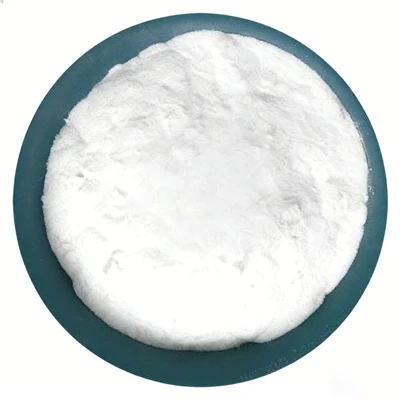
- They can be seen in the form of white powder or can be called colorless.
- They have 3 hydrogen bond acceptors
- They have 1 covalent bond unit.
- They are soluble in water so they have solubility.
The chemical properties of phosphorous acid are:
Phosphorous acids have very high power in reducing their properties and they can convert themselves into phosphoric acid. When it is heated at a high temperature then it breaks down itself into phosphine and phosphoric acid.
- H3PO3 + 3H3PO3 = PH3 + 3H3PO4.
When phosphorous acid is put together with sodium hydroxide which is a base then it makes a reaction that leads to the formation of sodium phosphate and H2O which is water.
- H3PO3 + 3NaOH = Na3PO3 + 3H2O.


Application
Agriculture: Phosphates are a crucial component of fertilizers, providing essential nutrients for plant growth and development. They are used in the production of phosphate fertilizers, such as superphosphates and ammonium phosphates.
Food and Beverage: Phosphates are widely used as food additives, serving as leavening agents, emulsifiers, and stabilizers. They are found in baked goods, processed meats, dairy products, and beverages.
Water Treatment: Phosphates are employed in water treatment processes for various purposes, including corrosion control, scale prevention, and pH adjustment. They are used in boiler water treatment and cooling tower systems.
Detergents and Cleaning Products: Phosphates are used as builders and chelating agents in detergents and cleaning products, enhancing their cleaning efficiency and preventing mineral buildup.
Pharmaceuticals and Cosmetics: Phosphates are employed in pharmaceutical and cosmetic formulations, serving as buffers, stabilizers, and excipients in various products.
Metal Treatment
Phosphates are utilized in metal treatment processes, such as metal surface preparation, rust prevention, and metal finishing. They are used in electroplating, anodizing, and metal cleaning operations.
Flame Retardants
Certain phosphate compounds are used as flame retardants in various materials, including plastics, textiles, and construction materials, due to their ability to inhibit combustion.
Ceramics and Glass
Phosphates are used as flux agents in the production of ceramics and glass, lowering the melting temperature and improving the workability of the materials.
Energy Storage
Phosphates, such as lithium iron phosphate (LiFePO4), are used in the production of cathode materials for lithium-ion batteries, which are widely used in electric vehicles and energy storage systems.
Precautions

Personal Protective Equipment
Always wear chemical-resistant gloves (nitrile or neoprene), splash-proof safety goggles, and a face shield when handling concentrated solutions. A chemical-resistant apron is recommended for bulk transfers.
Spill Response
Contain the spill and neutralize with a weak base such as soda ash (sodium carbonate) or sodium bicarbonate. Apply gradually to avoid excessive foaming. Collect neutralized material and dispose of according to local regulations.


Ventilation
While phosphoric acid is non-volatile at room temperature, heating or vigorous agitation can produce irritating mists. Use in a well-ventilated area or under local exhaust ventilation. Respiratory protection (acid gas cartridge) is recommended when heating above 100 °C.
Storage
Store in HDPE, polypropylene, or PTFE-lined containers in a cool, dry, well-ventilated area. Keep away from incompatible materials including strong bases (sodium hydroxide), active metals (zinc, magnesium), and oxidizing agents. Ensure containers are properly labeled and secondary containment is in place.
Package & Delivery
Package: Standard export package or Custom
Delivery: By air express, by sea

FAQ
We're well-known as one of the most experienced phosphite salts enterprises in China for 20 years. Please feel free to buy discount phosphite salts made in China here and get free sample from our factory. For price consultation, contact us.
Mono Potassium Phosphite, Calcium Phosphinate, Disodium Hydrogen Phosphite-
![2-(Phenylamino)acetonitrile]() 2-(Phenylamino)acetonitrileProduct Name: 2-(Phenylamino)acetonitrileCAS Number: 3009-90-3Purity (HPLC): ≥ 95.0%Appearance: Light yellow to beigeread more
-
![N-Phenylglycinonitrile]() N-PhenylglycinonitrileProduct Name: N-PhenylglycinonitrileCAS Number: 3009-90-3Purity (HPLC): ≥ 96.0%Appearance: Light yellow toread more
-
![Bis(cyanomethyl)amine]() Bis(cyanomethyl)amineProduct Name: Bis(cyanomethyl)amine (92% Purity)CAS Number: 628-87-5Purity (HPLC): ≥ 92.0%Appearance: Light yellow toread more
-
![IDAN]()
-
![Iminodiacetic Acid]() Iminodiacetic AcidProduct Name: Iminodiacetic acidCAS Number: 142-73-4Purity (HPLC): ≥ 99.0%Appearance: White crystalline powderChlorideread more
-
![Mandelic Acid]() Mandelic AcidProduct Name: Mandelic acidCAS Number: 90-64-2Purity: ≥ 98.0%Appearance: White crystalline powder or granularread more
-
![Phenylglycolic Acid]() Phenylglycolic AcidProduct Name: Phenylglycolic acid (DL-Mandelic Acid)CAS Number: 90-64-2Purity: ≥ 98.5%Appearance: White crystallineread more
-
![DL-Mandelic Acid]() DL-Mandelic AcidProduct Name: DL-Mandelic acidCAS Number: 90-64-2Purity (Titration): ≥ 99.0%Appearance: White crystalline powderMeltingread more
-
![1,2-Diaminomaleonitrile]() 1,2-DiaminomaleonitrileProduct Name: 1,2-DiaminomaleonitrileCAS Number: 1128-52-5Purity (HPLC): ≥ 98.0%Appearance: Light yellow to brownread more