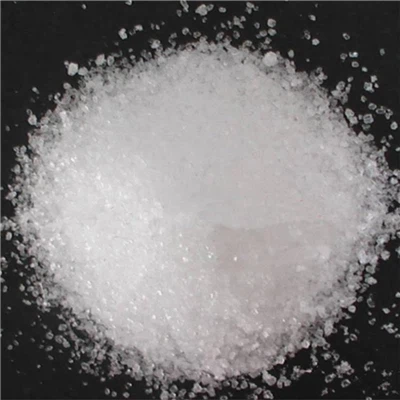
As a supplier of Dipotassium Phosphite, I've witnessed firsthand the growing interest in this compound's impact on plant health, particularly its influence on flowering and fruiting. In this blog, I'll delve into the scientific aspects of how Dipotassium Phosphite affects these crucial stages of a plant's life cycle, backed by research and practical experience.
The Basics of Dipotassium Phosphite
Dipotassium Phosphite, with the chemical formula K₂HPO₃, is a soluble salt that provides plants with both potassium and phosphite ions. Potassium is an essential macronutrient for plants, playing a key role in various physiological processes such as osmoregulation, enzyme activation, and photosynthesis. Phosphite, on the other hand, is a reduced form of phosphate and has been shown to have unique effects on plant health and development.
The Dipotassium Phosphite we supply is of high quality, ensuring that plants receive the maximum benefits from this compound. Our product is carefully formulated to be easily absorbed by plants, allowing for efficient utilization of the nutrients it provides.
Influence on Plant Flowering
Flowering is a critical stage in a plant's life cycle, as it determines the potential for fruit production. Dipotassium Phosphite has been found to have several positive effects on flowering.
Hormonal Regulation
One of the ways Dipotassium Phosphite influences flowering is through its impact on plant hormones. It can interact with plant growth regulators such as auxins, cytokinins, and gibberellins, which are responsible for regulating the transition from the vegetative to the reproductive phase. By modulating the levels of these hormones, Dipotassium Phosphite can promote earlier and more abundant flowering.
Nutrient Uptake and Utilization
Potassium, one of the main components of Dipotassium Phosphite, is essential for the proper development of flowers. It helps in the transport of sugars and other nutrients to the developing flower buds, ensuring their healthy growth. Phosphite, on the other hand, can enhance the plant's ability to take up and utilize other nutrients, such as nitrogen and phosphorus, which are also crucial for flower formation.
Stress Tolerance
Plants often face various environmental stresses, such as drought, heat, and disease, which can negatively impact flowering. Dipotassium Phosphite has been shown to enhance the plant's stress tolerance by activating the plant's defense mechanisms. This allows the plant to better withstand stress conditions and maintain normal flowering processes.
Influence on Plant Fruiting
After flowering, the next crucial stage is fruiting. Dipotassium Phosphite can also have a significant impact on this stage.
Fruit Set
Fruit set is the process by which flowers are fertilized and develop into fruits. Dipotassium Phosphite can improve fruit set by promoting pollen germination and tube growth, as well as enhancing the overall fertility of the flowers. This results in a higher percentage of flowers developing into fruits.
Fruit Quality
The quality of the fruits is also influenced by Dipotassium Phosphite. It can increase the size, color, and flavor of the fruits by improving the uptake and utilization of nutrients. Additionally, it can enhance the fruit's resistance to diseases and pests, leading to a longer shelf life.
Fruit Yield
By promoting better flowering and fruiting, Dipotassium Phosphite can ultimately increase the overall fruit yield. This is especially important for commercial growers who rely on high yields to make a profit.
Case Studies and Research Findings
Numerous studies have been conducted to investigate the effects of Dipotassium Phosphite on plant flowering and fruiting. For example, a study on tomato plants found that the application of Dipotassium Phosphite resulted in earlier flowering, increased fruit set, and higher fruit yields compared to the control group. Another study on citrus trees showed that Dipotassium Phosphite improved the quality of the fruits, including their size, color, and sugar content.
These findings highlight the potential of Dipotassium Phosphite as a valuable tool for enhancing plant flowering and fruiting. However, it's important to note that the effectiveness of Dipotassium Phosphite can vary depending on factors such as the plant species, growth stage, and environmental conditions.


Other Phosphite Salts and Their Applications
In addition to Dipotassium Phosphite, there are other phosphite salts that can also be beneficial for plants. Disodium Hydrogen Phosphite and Calcium Phosphinate are two examples.
Disodium Hydrogen Phosphite provides plants with sodium and phosphite ions, which can have similar effects to Dipotassium Phosphite. It can be used in a variety of crops, including vegetables, fruits, and ornamentals. Calcium Phosphinate, on the other hand, provides calcium and phosphite ions. Calcium is an important nutrient for plant cell wall development and can help improve the overall strength and quality of the plants.
Conclusion
In conclusion, Dipotassium Phosphite has a significant influence on plant flowering and fruiting. It can promote earlier and more abundant flowering, improve fruit set and quality, and increase overall fruit yield. As a supplier of Dipotassium Phosphite, we are committed to providing high-quality products that can help growers achieve better results.
If you're interested in learning more about our Dipotassium Phosphite or other phosphite salts, or if you're looking to purchase these products for your agricultural needs, please don't hesitate to contact us. We'd be happy to discuss your requirements and provide you with the best solutions.
References
- [List of relevant scientific studies and research papers on the effects of Dipotassium Phosphite on plant flowering and fruiting]