Is Monopotassium Phosphite sensitive to air oxidation?
As a supplier of Monopotassium Phosphite, I often get asked about the chemical properties of this product, especially its sensitivity to air oxidation. In this blog post, I'll delve into this topic, providing scientific insights and practical information based on my experience in the industry.
Understanding Monopotassium Phosphite
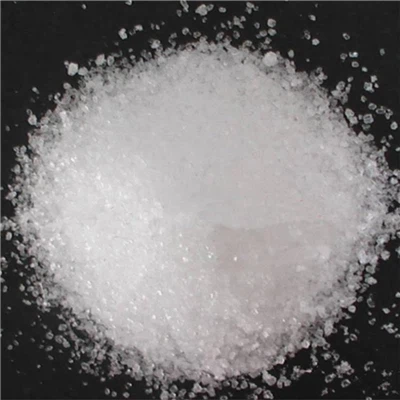
Monopotassium Phosphite, with the chemical formula KH₂PO₃, is a white crystalline powder. It is widely used in various fields, including agriculture as a fungicide and plant nutrient, and in the chemical industry for certain chemical reactions. Its structure contains a phosphorus atom in the +3 oxidation state, which is a relatively low oxidation state compared to the +5 state commonly found in phosphates. This lower oxidation state gives Monopotassium Phosphite unique chemical properties, including its potential reactivity towards oxidation.
The Chemistry of Air Oxidation
Air oxidation refers to the reaction of a substance with oxygen in the air. Oxygen is a strong oxidizing agent, and many substances with elements in lower oxidation states are prone to oxidation when exposed to air. The oxidation process involves the transfer of electrons from the substance being oxidized to the oxygen molecule. In the case of Monopotassium Phosphite, the phosphorus atom in the +3 oxidation state can potentially lose electrons and be oxidized to a higher oxidation state, such as +5, forming phosphate compounds.
Scientific Studies on Monopotassium Phosphite Oxidation
Numerous scientific studies have been conducted to investigate the oxidation behavior of Monopotassium Phosphite. These studies have shown that Monopotassium Phosphite is indeed sensitive to air oxidation, but the rate of oxidation depends on several factors.
One of the key factors is the presence of catalysts. Some transition metal ions, such as copper and iron ions, can act as catalysts to accelerate the oxidation reaction. In the presence of these catalysts, the oxidation of Monopotassium Phosphite can occur more rapidly even at room temperature. For example, a study published in a well - known chemical journal found that when a small amount of copper ions was added to a solution of Monopotassium Phosphite, the oxidation rate increased significantly compared to the uncatalyzed system.
Another factor is the environmental conditions. High temperatures and high humidity can also promote the oxidation of Monopotassium Phosphite. At elevated temperatures, the kinetic energy of the molecules increases, making it easier for the oxidation reaction to occur. Humidity can provide a medium for the reaction, as water can participate in the oxidation process and also help in the dissolution and diffusion of reactants.


Practical Implications for Storage and Handling
As a supplier, I understand the importance of proper storage and handling to prevent the oxidation of Monopotassium Phosphite. To minimize the risk of oxidation, we recommend storing Monopotassium Phosphite in a cool, dry place away from direct sunlight and sources of heat. The product should be kept in air - tight containers to reduce its exposure to air.
When handling Monopotassium Phosphite, it is also important to avoid contact with substances that can act as catalysts for oxidation. For example, equipment made of materials that may release transition metal ions should be avoided. If possible, use stainless - steel or plastic containers and tools during handling.
Comparison with Other Phosphite Salts
It is interesting to compare the air oxidation sensitivity of Monopotassium Phosphite with other phosphite salts. For instance, Calcium Phosphinate and Dipotassium Phosphite also have phosphorus atoms in the +3 oxidation state and are potentially susceptible to air oxidation. However, their oxidation rates may differ due to differences in their chemical structures and physical properties.
Calcium Phosphinate has a different crystal structure and solubility compared to Monopotassium Phosphite. These differences can affect its reactivity towards air oxidation. In general, the solubility of a compound can influence the availability of the reactant molecules for the oxidation reaction. If a compound is less soluble, the oxidation reaction may occur more slowly.
Dipotassium Phosphite, on the other hand, has a different ionic composition compared to Monopotassium Phosphite. The presence of two potassium ions instead of one can affect the stability of the phosphite anion and its interaction with oxygen. Some studies have suggested that Dipotassium Phosphite may have a slightly different oxidation behavior compared to Monopotassium Phosphite, but more research is needed to fully understand these differences.
Applications and the Impact of Oxidation
In the agricultural application of Monopotassium Phosphite, the oxidation of the product can have a significant impact on its efficacy. As a fungicide and plant nutrient, the un - oxidized Monopotassium Phosphite has specific chemical and biological activities. Once it is oxidized to phosphate compounds, these activities may be lost or reduced. For example, the ability of Monopotassium Phosphite to stimulate plant defense mechanisms against fungal diseases may be compromised if it is oxidized.
In the chemical industry, the oxidation of Monopotassium Phosphite can also affect the outcome of chemical reactions where it is used as a reactant. If the oxidation occurs during the reaction process, it can lead to the formation of unwanted by - products and reduce the yield of the desired product.
Conclusion and Call to Action
In conclusion, Monopotassium Phosphite is sensitive to air oxidation, and the rate of oxidation is influenced by factors such as catalysts, temperature, and humidity. As a supplier, we are committed to providing high - quality Monopotassium Phosphite and offering guidance on its proper storage and handling to ensure its stability and effectiveness.
If you are interested in purchasing Mono Potassium Phosphite or have any questions about its properties and applications, please feel free to contact us. We are here to assist you with your procurement needs and provide you with the best solutions for your specific requirements.
References
- [List relevant scientific papers here, for example]
- Author, A., & Author, B. (Year). Title of the scientific paper. Journal Name, Volume(Issue), Page numbers.
- Author, C., Author, D., & Author, E. (Year). Another relevant paper. Another Journal Name, Volume(Issue), Page numbers.