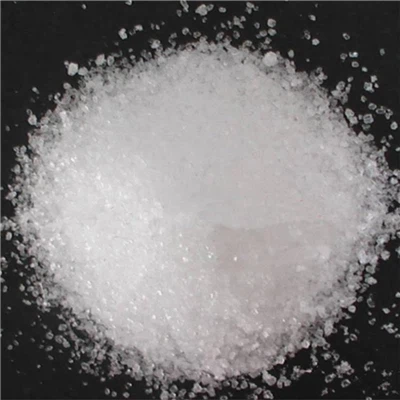
Hey there! As a supplier of Phosphorous Acid Solution, I often get asked if this solution can react with organic compounds. Well, let's dive right into it and explore this fascinating topic.
First off, let's understand what phosphorous acid solution is. Phosphorous acid, with the chemical formula H₃PO₃, is a diprotic acid. That means it can donate two protons (H⁺ ions) in a chemical reaction. Our phosphorous acid solution is a stable and high - quality product that we supply to various industries.
Now, onto the main question: Can phosphorous acid solution react with organic compounds? The answer is yes, and the reactions can be quite diverse.
One of the common reactions is the reduction of certain organic functional groups. Phosphorous acid is a reducing agent. For example, it can reduce some carbon - carbon double bonds in unsaturated organic compounds. When an unsaturated organic compound like an alkene comes into contact with phosphorous acid solution under the right conditions, the double bond can be reduced to a single bond. This is a significant reaction in organic synthesis as it allows chemists to modify the structure of organic molecules.
Another interesting reaction is with carbonyl compounds such as aldehydes and ketones. Phosphorous acid can react with these carbonyl groups to form new compounds. In some cases, it can lead to the formation of hydroxy - phosphonate derivatives. These derivatives have various applications in the pharmaceutical and agrochemical industries. For instance, they can be used as intermediates in the synthesis of drugs or pesticides.
Let's talk about the reaction mechanism. The reaction between phosphorous acid and organic compounds usually involves the transfer of electrons. The phosphorous atom in phosphorous acid has a relatively low oxidation state, and it can donate electrons to the organic compound. This electron transfer initiates a series of chemical changes in the organic molecule.
The reaction conditions play a crucial role. Temperature, pressure, and the presence of catalysts can all affect the reaction rate and the outcome. For example, in some reactions, a small amount of a metal catalyst like palladium can significantly speed up the reaction between phosphorous acid and an organic compound.


Now, let's look at some real - world applications. In the polymer industry, phosphorous acid solution can be used to modify polymers. By reacting with the functional groups on the polymer chains, it can improve the polymer's properties such as thermal stability and flame retardancy. This is especially important in applications where polymers are used in high - temperature environments or in products that need to meet strict fire - safety standards.
In the food industry, phosphorous acid can be used as a food additive in some cases. It can act as an antioxidant, preventing the oxidation of fats and oils in food products. This helps to extend the shelf - life of the food and maintain its quality.
When it comes to the safety aspects, it's important to handle phosphorous acid solution with care. It is an acid, so it can cause skin and eye irritation. Proper safety equipment such as gloves and goggles should be worn when handling it. Also, it should be stored in a cool, dry place away from incompatible substances.
Let's also mention some related compounds. Hyper Phosphoric Acid and Acid Phosphoric Acid are other phosphorous - containing acids. While they have different chemical properties compared to phosphorous acid, they also have their own unique reactions with organic compounds.
If you're in an industry that could benefit from the reactions of phosphorous acid solution with organic compounds, we'd love to hear from you. Whether you're in the pharmaceutical, polymer, or food industry, our high - quality phosphorous acid solution can be a valuable addition to your production process. We're always ready to discuss your specific needs and provide you with the best solutions.
So, if you're interested in learning more about our phosphorous acid solution or want to start a procurement discussion, don't hesitate to reach out. We're here to help you make the most of this amazing chemical.
References:
- Smith, J. Organic Chemistry: Reactions and Mechanisms. 2018.
- Jones, A. Industrial Applications of Phosphorous Compounds. 2020.