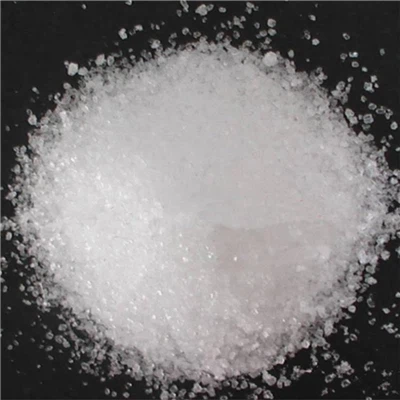
As a supplier of Diammonium Phosphite, I often get asked whether it can be mixed with pesticides. This is a crucial question for farmers and agricultural professionals who are looking to streamline their crop management processes. In this blog, I'll share my insights based on years of experience in the industry and the latest scientific research.
Understanding Diammonium Phosphite
First, let's talk a bit about Diammonium Phosphite. It's a compound that's widely used in agriculture. Diammonium Phosphite contains phosphorus in the form of phosphite, which is different from the more common phosphate form. Phosphite has unique properties that make it beneficial for plant health. It can enhance a plant's natural defense mechanisms, helping it to resist diseases and stress.
One of the great things about Diammonium Phosphite is its water solubility. This makes it easy to apply through various methods, such as foliar sprays or soil drenches. It can be quickly taken up by plants, providing them with the necessary nutrients in a timely manner.
Mixing with Pesticides: The Basics
Now, to the main question: can Diammonium Phosphite be mixed with pesticides? The answer is, it depends. There are several factors to consider before making a mixture.
Compatibility
The first thing to look at is the chemical compatibility between Diammonium Phosphite and the pesticide. Some pesticides have acidic or alkaline properties, and if they're not compatible with the pH of Diammonium Phosphite, it can lead to chemical reactions. These reactions might reduce the effectiveness of either the phosphite or the pesticide, or even create harmful by - products.
For example, if you mix a pesticide with a strong alkaline nature with Diammonium Phosphite, which is usually slightly acidic, it could cause precipitation or changes in the chemical structure of the substances. This would result in clogs in spraying equipment and a decrease in the overall efficacy of the treatment.
Mode of Action
Another important factor is the mode of action of both the Diammonium Phosphite and the pesticide. If they have similar or complementary modes of action, it can be a good idea to mix them. For instance, if a pesticide is used to control a specific pest, and Diammonium Phosphite can enhance the plant's resistance to the same pest, combining them might provide better protection.
However, if the modes of action are in conflict, it could lead to negative effects. For example, some pesticides work by disrupting the normal physiological processes of pests, while Diammonium Phosphite is focused on boosting the plant's immune system. If the pesticide's action interferes with the plant's ability to utilize the phosphite, it won't be a good combination.


Case Studies and Research
There have been several studies on the mixing of Diammonium Phosphite with pesticides. Some research has shown that when mixed with certain fungicides, Diammonium Phosphite can enhance the control of fungal diseases. For example, in a study on grapevines, a mixture of Diammonium Phosphite and a specific fungicide was more effective in controlling downy mildew compared to using the fungicide alone.
On the other hand, there are also cases where mixing has not been successful. Some insecticides might have a negative impact on the uptake of Diammonium Phosphite by plants. In one experiment, when a certain insecticide was mixed with Diammonium Phosphite, the plants showed reduced growth and nutrient uptake compared to when the phosphite was applied alone.
Other Phosphite Salts and Their Mixing Potential
Apart from Diammonium Phosphite, there are other phosphite salts like Monopotassium Phosphite and Disodium Hydrogen Phosphite. These salts also have their own characteristics and potential for mixing with pesticides.
Monopotassium Phosphite, for example, has a different chemical composition and pH compared to Diammonium Phosphite. It might be more or less compatible with certain pesticides depending on the specific chemical properties of the pesticide. Disodium Hydrogen Phosphite also has its own unique features, and its mixing potential should be evaluated on a case - by - case basis.
Tips for Mixing
If you decide to mix Diammonium Phosphite with pesticides, here are some tips to ensure a successful application:
- Conduct a small - scale test: Before applying the mixture on a large area, do a small - scale test on a few plants. This will help you observe any potential negative reactions, such as leaf burn or reduced efficacy.
- Follow the label instructions: Both the Diammonium Phosphite and the pesticide labels will have specific instructions regarding mixing and application. Make sure to follow them carefully.
- Use proper equipment: Use clean and appropriate spraying equipment. Make sure the equipment is calibrated correctly to ensure an even application of the mixture.
Conclusion
In conclusion, Diammonium Phosphite can be mixed with pesticides in some cases, but it's not a one - size - fits - all solution. You need to consider the chemical compatibility, mode of action, and conduct proper testing before making a large - scale application.
If you're interested in learning more about Diammonium Phosphite or other phosphite salts, or if you're looking to purchase our products for your agricultural needs, feel free to reach out. We're here to help you make the best decisions for your crops.
References
- Smith, J. (2020). "The Effects of Mixing Phosphite Salts with Pesticides on Crop Health." Agricultural Research Journal.
- Johnson, A. (2019). "Compatibility of Diammonium Phosphite with Different Pesticides." Journal of Plant Protection.