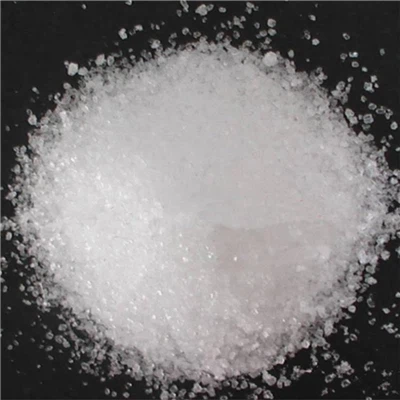
Hey there! I'm a supplier of Phosphorous Acid Solution, and today I wanna chat about the product standards for this stuff.
First off, let's understand what Phosphorous Acid Solution is. It's a pretty important chemical in various industries. It's used in things like fertilizers, where it helps plants take up nutrients better. It's also used in the production of some plastics and in water treatment processes.
Chemical Composition
The main component of Phosphorous Acid Solution is, of course, phosphorous acid (H₃PO₃). But a high - quality solution should have a proper balance of other elements and impurities. The purity of the phosphorous acid in the solution is a key standard. Generally, for industrial - grade Phosphorous Acid Solution, the minimum purity should be around 98%. This ensures that the solution can perform its intended functions effectively.
If you're looking for the solid form of phosphorous acid, you can check out Solid Phosphorous Acid. It's a different product but related to our solution.
Physical Properties
When it comes to physical properties, the density of the Phosphorous Acid Solution is an important factor. A typical density for a well - made solution is around 1.3 - 1.4 g/cm³ at room temperature. This density can affect how the solution is stored and transported.
The color of the solution is also a standard. It should be clear and colorless or have a very slight yellowish tint. Any significant discoloration could indicate impurities or degradation of the product.
Concentration
The concentration of the Phosphorous Acid Solution is a major consideration. Different applications require different concentrations. For example, in some agricultural applications, a lower concentration might be used, while in industrial chemical processes, a higher concentration could be needed.
Common concentrations range from 30% to 50%. The concentration needs to be accurately measured and labeled on the product. This is crucial for customers to know exactly what they're getting and how to use it safely.
Impurity Limits
There are strict limits on the amount of impurities in Phosphorous Acid Solution. Heavy metals like lead, mercury, and cadmium should be present in extremely low amounts. For lead, the limit is usually less than 10 ppm (parts per million). This is because these heavy metals can be harmful to the environment and human health.
Other impurities such as chloride and sulfate ions also need to be controlled. Chloride levels should be below 50 ppm, and sulfate levels should be below 100 ppm. These limits ensure that the solution is of high quality and suitable for its intended uses.


Packaging and Labeling
The packaging of Phosphorous Acid Solution is also part of the product standards. It should be stored in containers that are resistant to corrosion. Plastic or glass containers are commonly used. The containers should be properly sealed to prevent leakage and contamination.
The labeling on the container is very important. It should clearly state the product name, concentration, batch number, manufacturing date, and expiration date. It should also include safety information, such as handling instructions and first - aid measures in case of accidental exposure.
Quality Control
As a supplier, we have a strict quality control system in place. We test each batch of Phosphorous Acid Solution to ensure it meets the standards. We use advanced analytical techniques like titration and spectroscopy to measure the concentration and purity of the solution.
We also conduct regular checks on the physical properties, such as density and color. If any batch fails to meet the standards, it is not released for sale. This way, we can guarantee that our customers get a high - quality product every time.
Comparison with Related Products
There's another related product called Hyper Phosphoric Acid. While they might seem similar, they have different chemical properties and uses. Hyper Phosphoric Acid has a higher oxidation state of phosphorus compared to Phosphorous Acid.
Phosphorous Acid Solution is more commonly used in applications where a reducing agent is needed, while Hyper Phosphoric Acid is used in different chemical reactions that require a more oxidized form of phosphorus.
Applications and Standards
In the agricultural industry, Phosphorous Acid Solution is used as a fertilizer additive. The product standards for this application are a bit different. The solution should be free of any contaminants that could harm the soil or plants. It should also have a balanced concentration of phosphorous acid to provide the right amount of nutrients to the plants.
In the industrial chemical manufacturing sector, the standards are more focused on the purity and consistency of the solution. For example, in the production of certain plastics, the Phosphorous Acid Solution needs to have a very high purity to ensure the quality of the final product.
Storage and Handling
Proper storage and handling are also part of the product standards. Phosphorous Acid Solution should be stored in a cool, dry place away from direct sunlight and heat sources. It should be kept away from strong oxidizing agents and alkalis, as these can react with the solution and cause safety hazards.
When handling the solution, workers should wear appropriate protective equipment, such as gloves and goggles. Spills should be cleaned up immediately using proper absorbent materials.
Why Choose Our Phosphorous Acid Solution
We take pride in providing high - quality Phosphorous Acid Solution that meets all the product standards. Our solution is produced using the latest manufacturing techniques and undergoes rigorous quality control.
We also offer different concentrations to meet the diverse needs of our customers. Whether you're in the agricultural, industrial, or any other sector, we have the right solution for you.
If you're interested in purchasing Phosphorous Acid Solution, you can visit our website Phosphorous Acid Solution to learn more about our products. We're always ready to have a chat about your specific requirements and how our solution can fit into your operations. So, don't hesitate to reach out and start a conversation about your potential purchase.
References
- "Handbook of Chemicals and Solvents", Chemical Publishing Company
- "Agricultural Chemicals: Principles and Applications", Academic Press