As a reliable supplier of Iminodiacetic, I am delighted to share comprehensive insights into preparing Iminodiacetic coordination compounds. These compounds have gained significant attention in various scientific and industrial fields due to their unique properties and potential applications.
Understanding Iminodiacetic
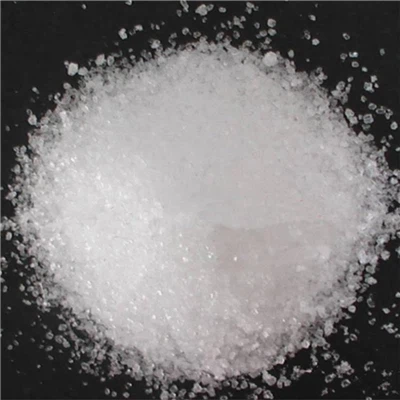
Iminodiacetic, also known as iminodiacetic acid (IDA), is a versatile organic compound with the chemical formula C₄H₇NO₄. It is a white crystalline powder that is soluble in water and has a wide range of applications in industries such as pharmaceuticals, agriculture, and water treatment. You can find more information about Iminodiacetic on our website Iminodiacetic.


Basic Principles of Coordination Compound Formation
Coordination compounds are formed when a central metal ion is surrounded by ligands, which are molecules or ions that donate electron pairs to the metal ion. In the case of Iminodiacetic coordination compounds, Iminodiacetic acts as a ligand, coordinating with metal ions through its carboxylate and amino groups.
The formation of coordination compounds depends on several factors, including the nature of the metal ion, the coordination number, and the geometry of the complex. Different metal ions have different preferences for coordination numbers and geometries, which can influence the stability and properties of the resulting coordination compounds.
Preparation Steps
Step 1: Selection of Metal Ion
The first step in preparing Iminodiacetic coordination compounds is to select the appropriate metal ion. Common metal ions used in coordination chemistry include transition metals such as copper, nickel, cobalt, and zinc. The choice of metal ion depends on the desired properties and applications of the coordination compound.
Step 2: Preparation of Iminodiacetic Solution
Prepare a solution of Iminodiacetic by dissolving the appropriate amount of Iminodiacetic in a suitable solvent, such as water or ethanol. The concentration of the solution can vary depending on the specific requirements of the experiment.
Step 3: Addition of Metal Salt
Slowly add the metal salt to the Iminodiacetic solution while stirring continuously. The metal salt should be in a soluble form, such as a metal chloride or nitrate. The ratio of Iminodiacetic to metal salt is an important factor in determining the stoichiometry of the coordination compound.
Step 4: Adjustment of pH
The pH of the solution can have a significant impact on the formation and stability of the coordination compound. Adjust the pH of the solution using a suitable acid or base to the desired value. The optimal pH range depends on the specific metal ion and the nature of the coordination compound.
Step 5: Reaction and Crystallization
Allow the reaction mixture to stir for a sufficient period of time to ensure complete complexation. The reaction time can vary depending on the reaction conditions and the nature of the metal ion. After the reaction is complete, the coordination compound can be isolated by crystallization. This can be achieved by slowly evaporating the solvent or by adding a precipitating agent.
Factors Affecting the Preparation
Several factors can affect the preparation of Iminodiacetic coordination compounds, including:
Temperature
The temperature of the reaction can influence the rate of complexation and the stability of the coordination compound. Higher temperatures generally increase the reaction rate, but they can also lead to the decomposition of the coordination compound. Therefore, it is important to control the temperature carefully during the preparation process.
Solvent
The choice of solvent can affect the solubility of the reactants and the formation of the coordination compound. Different solvents have different polarities and solvation properties, which can influence the coordination geometry and the stability of the complex.
Concentration
The concentration of the reactants can also affect the formation of the coordination compound. Higher concentrations of Iminodiacetic and metal salt generally increase the probability of complexation, but they can also lead to the formation of unwanted side products.
Applications of Iminodiacetic Coordination Compounds
Iminodiacetic coordination compounds have a wide range of applications in various fields, including:
Catalysis
Iminodiacetic coordination compounds can act as catalysts in various chemical reactions, such as oxidation, reduction, and hydrolysis. The unique properties of the coordination compounds, such as their ability to activate substrates and control reaction selectivity, make them attractive candidates for catalytic applications.
Medicine
Iminodiacetic coordination compounds have shown potential in the field of medicine, particularly in the development of new drugs and diagnostic agents. For example, some Iminodiacetic coordination compounds have been found to have anti - cancer, anti - microbial, and anti - inflammatory properties.
Analytical Chemistry
Iminodiacetic coordination compounds can be used as analytical reagents for the detection and quantification of metal ions. The formation of coordination compounds can change the physical and chemical properties of the metal ions, which can be used for their detection and analysis.
Other Related Organic Chemicals
In addition to Iminodiacetic, we also supply other high - quality organic chemical intermediates, such as 4,6 - Dihydroxypyrimidine and Beafully Dl Mandelic Acid. These compounds also have a wide range of applications in different industries and can be used in combination with Iminodiacetic coordination compounds for various purposes.
Conclusion
Preparing Iminodiacetic coordination compounds requires a thorough understanding of the basic principles of coordination chemistry and careful control of the reaction conditions. By following the steps outlined above and considering the factors that affect the preparation, it is possible to synthesize high - quality Iminodiacetic coordination compounds with desired properties and applications.
If you are interested in purchasing Iminodiacetic or other organic chemical intermediates, or if you have any questions about the preparation of Iminodiacetic coordination compounds, please feel free to contact us for further discussion and negotiation.
References
- Huheey, J. E., Keiter, E. A., & Keiter, R. L. (1993). Inorganic Chemistry: Principles of Structure and Reactivity. HarperCollins College Publishers.
- Cotton, F. A., Wilkinson, G., Murillo, C. A., & Bochmann, M. (1999). Advanced Inorganic Chemistry. John Wiley & Sons.
- Miessler, G. L., & Tarr, D. A. (2014). Inorganic Chemistry. Pearson.