Is Dipotassium Phosphite Toxic?
As a supplier of Dipotassium Phosphite, I often receive inquiries about the toxicity of this chemical compound. It's a valid concern, especially considering the wide range of applications where Dipotassium Phosphite is used, from agriculture to industrial processes. In this blog post, I'll delve into the scientific facts to answer the question: Is Dipotassium Phosphite toxic?
Understanding Dipotassium Phosphite
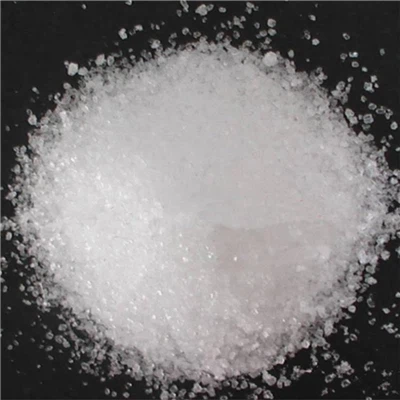
Dipotassium Phosphite, with the chemical formula K₂HPO₃, is a salt derived from phosphorous acid. It is a white, crystalline powder that is highly soluble in water. This compound has gained significant attention in recent years, particularly in the agricultural sector, where it is used as a fertilizer and plant health enhancer.
In agriculture, Dipotassium Phosphite plays a crucial role in promoting plant growth and disease resistance. It provides essential nutrients to plants, helps in the synthesis of proteins and nucleic acids, and enhances the overall health and vigor of crops. Additionally, it has been shown to be effective in controlling various plant diseases, such as downy mildew, Phytophthora, and Pythium.
Toxicity Studies
To determine whether Dipotassium Phosphite is toxic, we need to look at the available scientific research. Numerous studies have been conducted to evaluate the safety of this compound, and the results are reassuring.


According to the Material Safety Data Sheet (MSDS) for Dipotassium Phosphite, the compound is considered to have low acute toxicity. When ingested, inhaled, or in contact with the skin, it may cause mild irritation, but it is not expected to cause serious harm. However, as with any chemical, it is important to handle Dipotassium Phosphite with care and follow proper safety protocols.
In animal studies, Dipotassium Phosphite has been shown to have a relatively low toxicity profile. Rats and mice exposed to high doses of the compound did not exhibit significant adverse effects, and the LD50 (the dose at which 50% of the test animals die) values were relatively high. This indicates that Dipotassium Phosphite is not highly toxic to animals.
Environmental Impact
In addition to its toxicity to humans and animals, it is also important to consider the environmental impact of Dipotassium Phosphite. When used in agriculture, this compound can be absorbed by plants and incorporated into the soil. However, it is generally considered to be environmentally friendly, as it is biodegradable and does not persist in the environment.
Dipotassium Phosphite is also less likely to cause eutrophication (the excessive growth of algae and other aquatic plants) compared to other phosphorus-containing fertilizers. This is because it is in a reduced form, which makes it less available for uptake by algae.
Safety Precautions
While Dipotassium Phosphite is considered to be relatively safe, it is still important to take appropriate safety precautions when handling this compound. Here are some general guidelines:
- Wear protective clothing: When handling Dipotassium Phosphite, wear gloves, goggles, and a lab coat to prevent skin and eye contact.
- Avoid inhalation: Avoid inhaling the dust or fumes of Dipotassium Phosphite. If working in an area with poor ventilation, use a respirator.
- Store properly: Store Dipotassium Phosphite in a cool, dry place away from heat and moisture. Keep it out of reach of children and pets.
- Follow label instructions: Always follow the instructions on the product label when using Dipotassium Phosphite. This includes the recommended dosage, application method, and safety precautions.
Conclusion
Based on the available scientific research, Dipotassium Phosphite is considered to have low toxicity to humans, animals, and the environment. When used in accordance with the recommended guidelines, it is a safe and effective compound for various applications, particularly in agriculture.
However, it is important to note that individual sensitivities may vary, and some people may experience allergic reactions or other adverse effects. If you have any concerns about the safety of Dipotassium Phosphite, it is recommended to consult with a qualified professional.
If you are interested in purchasing Dipotassium Phosphite or have any questions about its use, please feel free to contact us. We are a leading supplier of Dipotassium Phosphite and other phosphite salts, including Diammonium Phosphite and Calcium Phosphinate. Our team of experts is available to provide you with the information and support you need to make an informed decision.
References
- Material Safety Data Sheet for Dipotassium Phosphite
- Scientific studies on the toxicity and environmental impact of Dipotassium Phosphite