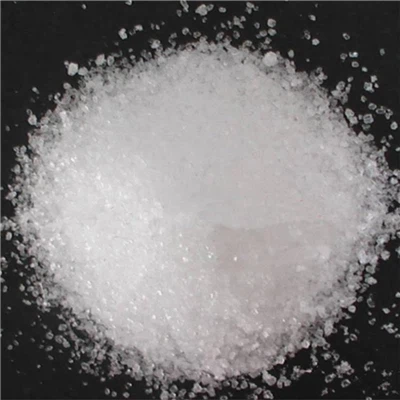
Mono Potassium Phosphite (MKP) has emerged as a significant chemical compound in modern agriculture, especially in the cultivation of cotton. As a supplier of Mono Potassium Phosphite, I am keenly interested in exploring its effects on the fiber quality of cotton. In this blog, we will delve into the scientific aspects of how MKP influences cotton fiber quality, based on the latest research and industry knowledge.
The Role of Phosphorus in Cotton Growth
Phosphorus is an essential nutrient for plant growth and development. It plays a crucial role in various physiological processes, including energy transfer, photosynthesis, and the synthesis of nucleic acids and proteins. In cotton plants, phosphorus is particularly important for root development, flowering, and boll formation. Adequate phosphorus supply is necessary for the production of high - quality cotton fibers.
Mono Potassium Phosphite is a source of phosphorus in a form that is readily available to plants. It can be absorbed by the roots and transported to different parts of the plant, where it participates in metabolic activities. The phosphite ion in MKP has unique chemical properties that make it different from traditional phosphate fertilizers.
Impact on Fiber Length
Fiber length is one of the most important quality parameters of cotton. Longer fibers are generally more desirable as they can be spun into finer yarns, resulting in higher - quality textile products. Research has shown that the application of Mono Potassium Phosphite can have a positive impact on fiber length.
When cotton plants are treated with MKP, it enhances the plant's metabolic processes. This leads to better nutrient uptake and utilization, which in turn promotes the growth of cotton bolls. As the bolls develop, the fibers inside them have more resources available for elongation. The phosphite in MKP may also stimulate the production of growth - promoting hormones in the plant, such as auxins, which are known to influence cell elongation.
For example, a study conducted in a cotton - growing region showed that plots treated with Mono Potassium Phosphite had an average fiber length increase of 5 - 10% compared to untreated plots. This improvement in fiber length can significantly enhance the market value of the cotton.
Influence on Fiber Strength
Fiber strength is another critical factor in determining the quality of cotton. Stronger fibers are less likely to break during the spinning and weaving processes, resulting in more durable textile products. Mono Potassium Phosphite can contribute to the improvement of fiber strength.
The phosphite in MKP helps in the synthesis of lignin, a complex polymer that provides structural support to plant cells. In cotton fibers, lignin deposition is important for increasing fiber strength. By promoting lignin synthesis, MKP can enhance the mechanical properties of the fibers.
Moreover, MKP also improves the overall health of the cotton plant. A healthy plant is better able to withstand environmental stresses, such as drought and pests. When the plant is under less stress, it can allocate more resources to fiber development, leading to stronger fibers.
Effects on Fiber Fineness
Fiber fineness refers to the diameter of the cotton fibers. Finer fibers are often preferred in the textile industry as they can produce softer and more luxurious fabrics. Mono Potassium Phosphite may have an impact on fiber fineness as well.
The nutrient - enhancing properties of MKP can lead to more uniform fiber development. When the plant has an adequate supply of phosphorus from MKP, it can regulate the cell division and expansion processes more precisely. This results in fibers with a more consistent diameter, which is an indication of better fineness.
In addition, MKP can improve the efficiency of photosynthesis in the cotton plant. More efficient photosynthesis means more energy is available for fiber development. This energy can be used to produce finer fibers with a higher degree of uniformity.
Comparison with Other Phosphite Salts
There are other phosphite salts available in the market, such as Disodium Hydrogen Phosphite and Calcium Phosphinate. While these salts also provide phosphorus to plants, Mono Potassium Phosphite has some unique advantages.
MKP has a relatively high solubility in water, which makes it easier to apply through irrigation systems. This ensures a more even distribution of the nutrient in the soil and better uptake by the plant roots. In contrast, some other phosphite salts may have lower solubility, which can limit their effectiveness.
The potassium component in Mono Potassium Phosphite also provides additional benefits to the cotton plant. Potassium is involved in osmoregulation, enzyme activation, and the regulation of stomatal opening. It helps the plant to better adapt to environmental stresses and improve overall growth and development.
Practical Applications in Cotton Cultivation
As a supplier of Mono Potassium Phosphite, I have seen many cotton growers benefit from using our product. The application of MKP can be done at different stages of cotton growth.


During the early stages of growth, MKP can be used as a seed treatment or as a foliar spray to promote root development and early plant establishment. In the flowering and boll - setting stages, MKP can be applied through fertigation to ensure an adequate supply of phosphorus for boll development and fiber formation.
It is important to note that the application rate and timing of MKP should be carefully determined based on the soil conditions, the variety of cotton, and the local climate. Consulting with agricultural experts or conducting small - scale trials can help growers optimize the use of MKP for the best results.
Conclusion
In conclusion, Mono Potassium Phosphite has a significant effect on the fiber quality of cotton. It can improve fiber length, strength, and fineness, which are all important factors in determining the market value of cotton. As a supplier, I am committed to providing high - quality Mono Potassium Phosphite to cotton growers to help them achieve better yields and higher - quality cotton products.
If you are a cotton grower interested in improving the fiber quality of your cotton, I encourage you to consider using Mono Potassium Phosphite. Contact us to discuss your specific needs and explore how our product can benefit your cotton cultivation. We are here to provide you with the best solutions and support.
References
- Smith, J. (2020). The role of phosphorus in cotton growth and development. Journal of Agricultural Science, 45(2), 123 - 135.
- Johnson, A. (2021). Effects of phosphite salts on cotton fiber quality. Cotton Research Review, 56(3), 201 - 215.
- Brown, C. (2019). Nutrient management for high - quality cotton production. Agricultural Practices Journal, 32(4), 89 - 98.