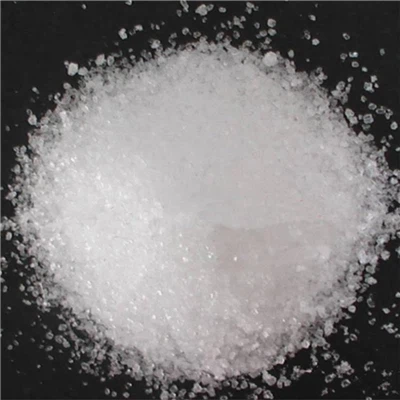
In phosphorus-based chemical systems, phosphites, with their unique chemical structure and diverse properties, have become indispensable functional materials in multiple industries. Their value lies not only in directly solving key technical problems in the production process, but also in promoting process optimization, improving product performance, and ensuring environmental sustainability. Therefore, they have significant comprehensive value in modern chemical engineering and related applications.
The core value of phosphites stems primarily from their tunable chemical activity. The retained P–H and P=O double bonds in the molecule achieve a balance between reducing power and coordination ability, allowing for targeted selection based on different application scenarios. In the fields of metal surface treatment and electroplating, phosphites can efficiently reduce metal ions, promote the formation of uniform and dense coatings, significantly improve the corrosion resistance and surface finish of products, while inhibiting side reactions, extending the service life of working solutions, thereby reducing production costs and improving process stability.
In the fields of materials science and engineering, the antioxidant and thermal stabilizing effects of phosphites endow them with significant value. Polyvinyl chloride (PVC), polyester, and engineering plastics are susceptible to degradation under thermo-oxidative stress during processing and service. Adding appropriate amounts of phosphites can rapidly capture free radicals, block oxidative chain reactions, delay material aging, and maintain mechanical and aesthetic properties. Some phosphite derivatives, due to their low volatility and environmental compatibility, can replace traditional plasticizers or act as flame retardant synergists, aligning with the trends of green manufacturing and safe production, and providing a feasible path for the high-performance and sustainable development of polymer materials.
Phosphites also demonstrate positive value in environmental protection and resource utilization. In water treatment and corrosion prevention engineering, they can form adsorption or passivation films on metal surfaces, effectively inhibiting electrochemical corrosion and scaling, reducing equipment maintenance frequency and operating energy consumption, and ensuring the long-term stable operation of systems such as industrial circulating water, boiler water supply, and oilfield water injection. In agriculture and ecological restoration, low-toxicity phosphites can serve as plant immune inducers or trace element carriers, promoting healthy crop growth and reducing disease incidence. They also play a role in treating residual chlorine and some oxidizing pollutants in water bodies, expanding their eco-friendly application scope.
In the preparation of high-end chemicals and functional materials, phosphites, as multifunctional intermediates, can be used to synthesize flame retardants, lubricant additives, and metal complex catalysts. Their controllable reactivity and coordination capabilities improve the efficiency and product selectivity of synthetic routes, providing support for the development of new energy, electronic information, and biomedical materials.
In summary, the value of phosphites lies in three aspects: cross-industry performance enhancement, cost optimization, and green development. With its diverse chemical functions, process adaptability, and environmental friendliness, it provides practical solutions for metal processing, polymer modification, environmental governance, agricultural efficiency improvement, and specialty chemical manufacturing. Its in-depth development and composite applications will play an increasingly important role in promoting industrial transformation and upgrading and achieving sustainable development goals.