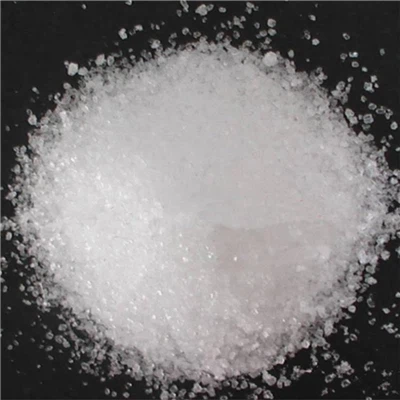
Hey there! As a supplier of Dipotassium Phosphite, I often get asked about how it stacks up against other phosphites. So, I thought I'd take a deep dive into this topic and share some insights with you.
First off, let's talk a bit about phosphites in general. Phosphites are a group of chemical compounds that have been gaining a lot of attention in various industries, especially in agriculture. They're used as fertilizers and plant health stimulants, and they've shown some pretty cool benefits. But not all phosphites are created equal, and Dipotassium Phosphite has some unique features that set it apart.
Chemical Structure and Composition
Let's start with the basics - the chemical makeup. Dipotassium Phosphite, as the name suggests, contains two potassium ions (K⁺) and one phosphite ion (HPO₃²⁻). Its chemical formula is K₂HPO₃. This is different from other common phosphites like Mono Potassium Phosphite (also known as Monopotassium Phosphite), which has only one potassium ion and a different overall structure with the formula KH₂PO₃.
The extra potassium in Dipotassium Phosphite gives it some distinct advantages. Potassium is an essential nutrient for plants. It plays a crucial role in many physiological processes, such as enzyme activation, osmoregulation, and the transport of sugars and nutrients within the plant. Having more potassium available in the form of Dipotassium Phosphite can potentially provide a more balanced nutrient supply to plants compared to phosphites with less potassium.
Solubility and Stability
Another important factor is solubility and stability. Dipotassium Phosphite has excellent solubility in water. This means it can be easily dissolved and applied through various irrigation systems, foliar sprays, or fertigation methods. When it's dissolved in water, it forms a stable solution, which is great for storage and application.
In contrast, some other phosphites might have lower solubility or be less stable in solution. This can lead to issues like clogging in irrigation equipment or the formation of precipitates over time. With Dipotassium Phosphite, you don't have to worry as much about these problems, making it a more convenient option for farmers and growers.
Plant Uptake and Utilization
How well a plant can take up and use a nutrient is a key consideration. Dipotassium Phosphite has been shown to be readily absorbed by plant roots and leaves. Once inside the plant, it can be quickly translocated to different parts, where it can have a positive impact on plant health.
The presence of the extra potassium in Dipotassium Phosphite also seems to enhance the plant's ability to utilize the phosphite. Potassium helps in the activation of enzymes involved in the metabolism of phosphite, allowing the plant to make better use of this nutrient. This can result in improved plant growth, increased resistance to diseases, and better overall crop yields.
Disease Resistance
One of the most significant benefits of using phosphites in agriculture is their ability to enhance plant disease resistance. Dipotassium Phosphite has been found to be particularly effective in this regard. It works by activating the plant's natural defense mechanisms, known as systemic acquired resistance (SAR).
When a plant is treated with Dipotassium Phosphite, it triggers a series of biochemical reactions that lead to the production of defense-related compounds. These compounds can help the plant fight off various pathogens, such as fungi, bacteria, and viruses. Some studies have shown that crops treated with Dipotassium Phosphite are less susceptible to diseases like downy mildew, Phytophthora, and Pythium.
Compared to other phosphites, Dipotassium Phosphite might have a stronger and more long-lasting effect on disease resistance. The combination of the phosphite and the extra potassium seems to work synergistically to boost the plant's immune system, providing better protection against diseases over an extended period.
Compatibility with Other Products
In agricultural applications, it's common to use multiple fertilizers and pesticides together. Dipotassium Phosphite has good compatibility with many other agricultural chemicals. It can be mixed with a wide range of fungicides, insecticides, and other fertilizers without causing significant chemical reactions or reducing the effectiveness of the products.
This compatibility is a big advantage because it allows farmers to simplify their application processes. They can combine Dipotassium Phosphite with other necessary inputs in a single tank mix, saving time and labor. On the other hand, some other phosphites might not be as compatible, which can limit their use in certain farming systems.


Environmental Impact
In today's world, environmental sustainability is a major concern. Dipotassium Phosphite is considered to be a relatively environmentally friendly option. It's less likely to leach into groundwater compared to some other fertilizers, which helps to reduce the risk of water pollution.
Also, because it can enhance plant health and disease resistance, it can potentially reduce the need for chemical pesticides. This is beneficial for the environment as it reduces the amount of harmful chemicals released into the ecosystem.
Cost-Effectiveness
When it comes to cost, Dipotassium Phosphite offers good value for money. While it might be slightly more expensive than some other phosphites on a per-unit basis, its superior performance in terms of plant growth, disease resistance, and ease of use can offset the higher cost.
Farmers and growers can expect to see better yields and higher-quality crops when using Dipotassium Phosphite. This can result in increased profits in the long run, making it a cost-effective choice for agricultural production.
Conclusion
So, there you have it - a detailed look at how Dipotassium Phosphite is different from other phosphites. Its unique chemical structure, excellent solubility, high plant uptake, strong disease resistance, good compatibility, environmental friendliness, and cost-effectiveness make it a top choice for many in the agricultural industry.
If you're a farmer, grower, or involved in the agricultural business, I encourage you to consider using Dipotassium Phosphite in your operations. It could be the key to improving your crop yields, reducing disease problems, and achieving better overall results. If you're interested in learning more or starting a purchase negotiation, feel free to reach out. I'm here to help you make the most of this amazing product.
References
- Smith, J. (2020). "The Role of Phosphites in Plant Nutrition and Disease Management." Journal of Agricultural Science.
- Johnson, A. (2019). "Comparative Study of Different Phosphite Compounds in Agricultural Applications." Agricultural Research Review.
- Brown, C. (2021). "Potassium Uptake and Utilization in Plants Treated with Dipotassium Phosphite." Plant Physiology Journal.