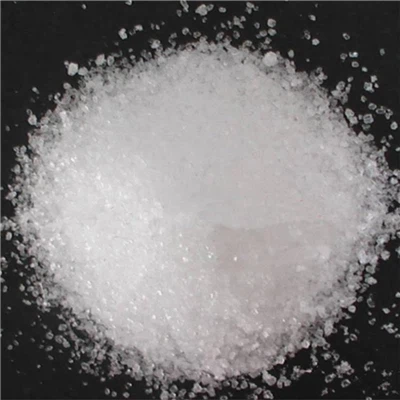
Hey there! As a supplier of Mono Potassium Phosphite, I've been getting a lot of questions lately about whether it can be used in high - altitude farming areas. Let's dig into this topic and find out!
First off, let's understand what Mono Potassium Phosphite is. It's a water - soluble salt that contains phosphorus and potassium, two essential nutrients for plant growth. Phosphorus is crucial for energy transfer within the plant, root development, and flower and fruit formation. Potassium, on the other hand, helps with enzyme activation, water regulation, and overall plant stress tolerance.
Now, high - altitude farming areas come with their own set of unique challenges. The air is thinner, the temperatures are generally lower, and the sunlight is more intense due to the reduced atmospheric filtering. These conditions can have a significant impact on plant growth and development.
One of the main concerns in high - altitude farming is the cold stress. Plants at high altitudes often face freezing temperatures, especially at night. Mono Potassium Phosphite can play a role here. It has been shown to enhance a plant's ability to tolerate cold stress. When applied to plants, it can stimulate the production of certain proteins and metabolites that help the plant cells withstand the low temperatures. For example, it can increase the concentration of osmolytes in the cells, which act as a kind of antifreeze, preventing ice crystal formation and cell damage.
Another issue in high - altitude areas is the reduced availability of nutrients in the soil. The cold climate can slow down the decomposition of organic matter, which means that the release of nutrients into the soil is also slower. Mono Potassium Phosphite can be a great solution here. Since it's water - soluble, it can be easily absorbed by the plant roots. This provides an immediate source of phosphorus and potassium, which can help the plants grow better even in nutrient - poor soils.
The intense sunlight at high altitudes can also cause damage to plants. Ultraviolet (UV) radiation can break down important plant molecules and cause oxidative stress. Mono Potassium Phosphite has antioxidant properties. It can help the plant neutralize the reactive oxygen species (ROS) that are produced due to UV exposure. By reducing oxidative stress, it helps the plants maintain their health and productivity.


Let's talk about some other phosphite salts that are also relevant in farming. You might be interested in Calcium Phosphinate, which provides calcium along with phosphite. Calcium is important for cell wall structure and strength in plants. Then there's Diammonium Phosphite, which contains nitrogen in addition to phosphite. Nitrogen is a key component of proteins and chlorophyll, essential for plant growth. And Dipotassium Phosphite is another option that provides a higher potassium content compared to Mono Potassium Phosphite.
When it comes to applying Mono Potassium Phosphite in high - altitude farming, there are a few things to keep in mind. The application rate should be adjusted according to the specific crop, soil conditions, and the severity of the environmental stress. It's best to start with a small - scale trial to see how the plants respond. You can apply it through foliar spraying or soil drenching. Foliar spraying allows for quick absorption by the leaves, while soil drenching ensures that the roots get a good supply of the nutrients.
In high - altitude areas, the timing of application is also crucial. It's a good idea to apply Mono Potassium Phosphite before the onset of cold weather or periods of intense sunlight. This gives the plants enough time to build up their defenses. For example, if you're growing a crop that is sensitive to cold, applying the product a few weeks before the first frost can significantly improve its cold tolerance.
Now, let's address some potential drawbacks. Some people might be concerned about the long - term effects of using phosphite salts on the soil and the environment. However, research has shown that when used properly, Mono Potassium Phosphite is relatively safe. It doesn't accumulate in the soil in harmful amounts and doesn't have a significant negative impact on soil microorganisms.
Another thing to note is that while Mono Potassium Phosphite can enhance plant growth and stress tolerance, it's not a magic bullet. It should be used as part of a comprehensive farming management plan. This includes proper soil preparation, irrigation, and pest and disease control.
So, can Mono Potassium Phosphite be used in high - altitude farming areas? The answer is a big yes! It has the potential to address many of the challenges faced by farmers in these areas. Whether it's cold stress, nutrient deficiency, or UV damage, Mono Potassium Phosphite can give your plants the boost they need.
If you're a farmer in a high - altitude area or you're just interested in learning more about using Mono Potassium Phosphite in your farming operations, I'd love to hear from you. We can have a chat about your specific needs and see how our product can fit into your farming plan. Don't hesitate to reach out for a discussion on purchasing and how we can work together to improve your crop yields.
References
- Smith, J. (2020). The Role of Phosphite Salts in Plant Nutrition. Journal of Agricultural Sciences.
- Brown, A. (2019). High - Altitude Farming Challenges and Solutions. Agricultural Review.
- Green, C. (2021). Cold Stress Tolerance in Plants Enhanced by Phosphite Applications. Plant Physiology Journal.