In the operation of the organic chemical industry chain, intermediates, as a key link connecting basic raw materials and end chemicals, have logistics properties that not only determine the feasibility of transportation and storage but also directly affect operational safety, product quality, and supply chain stability. Logistics properties broadly refer to the physical, chemical, safety, and environmental compatibility characteristics exhibited by intermediates throughout the entire process of handling, transportation, storage, and distribution. These characteristics are formed by the combined effects of molecular structure and the external environment and require systematic evaluation and strict control at the management and technical levels.
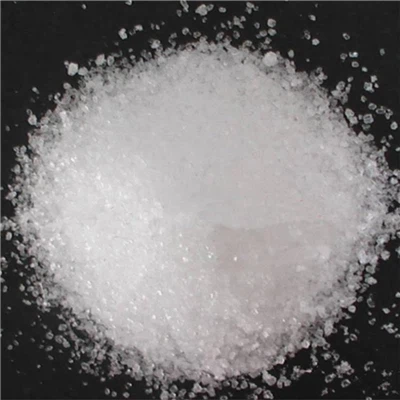
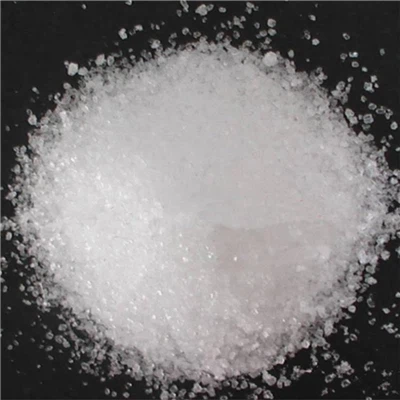
From a physical perspective, organic chemical intermediates encompass various forms, including liquids, solid powders, granules, crystals, and pastes. Their melting point, boiling point, flash point, vapor pressure, density, and particle size distribution directly influence packaging selection, loading and unloading methods, and transportation conditions. Low-boiling-point, high-vapor-pressure liquid intermediates must be transported in sealed, pressure-resistant containers and kept away from high-temperature environments to prevent volatilization or the formation of flammable or explosive gases. Hygroscopic and deliquescent solid intermediates require moisture-proof, sealed packaging, with relative humidity controlled throughout storage and transportation to maintain purity and prevent clumping. Crystalline intermediates with narrow melting ranges are extremely sensitive to temperature fluctuations; constant temperature conditions must be maintained during transportation and storage to prevent melting or changes in crystal form that could lead to performance degradation.
Chemical properties are a crucial consideration in logistics management. Many organic chemical intermediates are highly reactive, oxidizing in air, decomposing in water, and potentially hydrolyzing or neutralizing upon contact with acids or alkalis. Under high temperatures, friction, or impact conditions, they may even pose a risk of combustion or explosion. Such intermediates must be subject to strict isolation and protection measures during transportation, such as inert gas protection, light-proof packaging, anti-static containers, and clear labeling of hazardous material categories and emergency response methods. For highly toxic or significantly ecotoxicological products, strict adherence to domestic and international regulations for the transportation of hazardous chemicals is required. This includes limiting the means of transport, routes, and time periods, and providing appropriate emergency protective equipment to minimize the probability of leaks or accidents.
Stability and shelf life are time-related indicators in logistics. Some intermediates may slowly degrade during storage due to light, heat, oxygen, or metal ion catalysis, leading to impurity accumulation or decreased activity. Therefore, logistics solutions must incorporate appropriate temperature control and light protection, select packaging materials with excellent barrier properties, and implement a first-in, first-out (FIFO) principle and regular quality inspections in warehousing to ensure the delivery of products meeting specifications within their expiration date.
Compatibility is equally crucial. It refers to whether swelling, corrosion, or chemical reactions occur between the intermediate and packaging materials, sealing components, or other coexisting chemicals. For example, highly polar organic solvent intermediates should not be sealed with ordinary rubber seals to prevent swelling and leakage; acidic or alkaline intermediates should avoid direct contact with metal containers to prevent corrosion and contamination of the contents. Conducting compatibility tests beforehand allows for scientific material selection and ensures safe storage and transportation.
In supply chain practice, a precise understanding of the nature of logistics helps optimize route planning and cost control. For high-risk or temperature-controlled intermediates, priority should be given to short-distance direct transport or establishing regional warehouses to reduce transshipment links. For stable, low-risk bulk intermediates, intensive transportation can be implemented to improve loading efficiency. Digital tracking and IoT environmental monitoring technologies can acquire real-time information on temperature, humidity, vibration, and location during transportation. Early warnings and emergency plans can be activated in case of anomalies, thereby enhancing the resilience and responsiveness of the supply chain.
Overall, the logistics properties of organic chemical intermediates encompass multiple dimensions, including physical characteristics, chemical activity, safety levels, stability periods, and compatibility. A comprehensive understanding and systematic management of these properties is fundamental to ensuring safe storage and transportation, maintaining product quality, and improving logistics efficiency. It is also a crucial prerequisite for enterprises to achieve reliable delivery and sustainable development in the context of global competition and increasingly stringent regulations.