In the fields of fine chemicals and materials science, phosphorous acid, as an important inorganic phosphorus compound, has become a key support for technological breakthroughs in many industries due to its unique chemical structure and reactivity.Its molecular formula is H₃PO₃. Although it contains three hydrogen atoms, it is acidic due to only two hydroxyl groups (-OH), belonging to a diprotic moderately strong acid. This characteristic makes it irreplaceable in synthesis, stabilization, and catalysis.
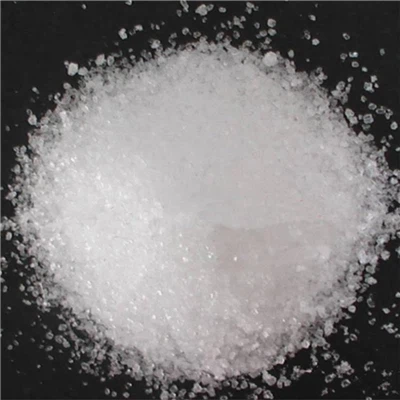
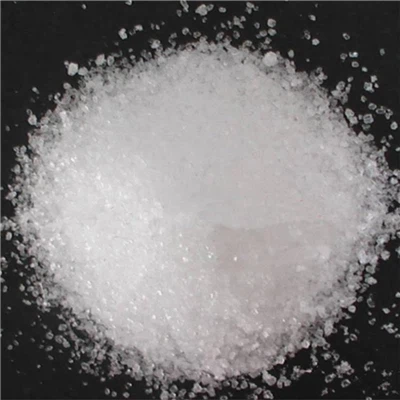
From a physicochemical perspective, phosphorous acid is mostly a white crystalline or powder at room temperature, readily soluble in water and releasing heat, possessing both reducing and coordinating abilities. Its aqueous solution is weakly acidic; heating above 180℃ can dehydrate it to form phosphoric acid, while under alkaline conditions it readily transforms into phosphite. This "convertible" characteristic makes it a bridge connecting different phosphorus-based materials-it can participate in the construction of complex phosphorus compounds as a precursor, and can also achieve functional-oriented modification by controlling reaction conditions.
In industrial applications, phosphorous acid's core advantages lie in three main scenarios: First, as a highly efficient reducing agent, it is widely used in metal surface treatment in the electroplating industry, improving coating uniformity and corrosion resistance through selective reduction. Second, it acts as a "stabilizer" in plastics and polymer materials, especially for systems susceptible to oxidative degradation such as polyvinyl chloride (PVC) and engineering plastics. Phosphorous acid and its derivatives can effectively capture free radicals, delaying material aging and extending product lifespan. Third, as a synthetic intermediate, it participates in the preparation of specialty chemicals such as phosphite esters and flame retardants. Some phosphite esters, due to their low toxicity and high stability, are gradually replacing traditional plasticizers, aligning with the trend of green manufacturing.
It is worth noting that phosphorous acid's environmental friendliness is driving its application expansion. Compared to some highly toxic phosphorus compounds, it has better biodegradability, and research in areas such as pesticide adjuvants and water treatment corrosion inhibitors continues to deepen, potentially providing more sustainable solutions for agriculture and environmental protection industries.
Currently, with the upgrading of industries such as new energy and electronic information, the requirements for material performance are becoming increasingly stringent. Phosphorous acid, with its "multifunctional and controllable" chemical properties, is transitioning from a basic chemical raw material to a high-end specialty chemical. In the future, its exploration in areas such as novel energy storage materials and biomedical phosphorus-based preparations may further unleash its potential and become a crucial driver of technological innovation in related industries.