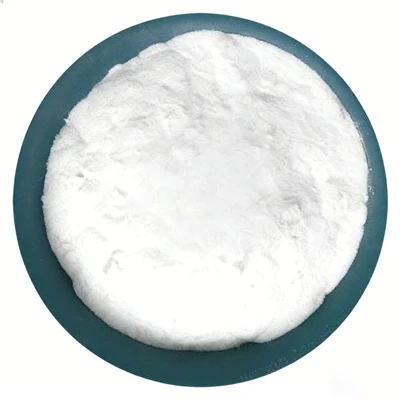
Professional growers are moving away from traditional fertilizers toward systemic solutions that prevent disease while accelerating growth. Industry consultations reveal a significant shift toward phosphites because of their dual-action biostimulant properties. Unlike standard phosphate, Monopotassium Phosphite contains phosphorus in the phosphite form (
PO3PO3
), which triggers a natural systemic acquired resistance within plants. This unique chemical structure helps crops proactively fight off Oomycete pathogens, such as late blight and downy mildew, reducing the reliance on aggressive fungicides. Current news regarding raw phosphorus ore suggests that high-purity crystalline versions, boasting 98%-99% content, are becoming more cost-effective as manufacturing scales up. This makes it an indispensable staple for large-scale agricultural operations seeking a versatile nutrient that offers more than just basic survival.
When incorporating Monopotassium Phosphite into your irrigation or spray routine, precision and timing determine the outcome. Start by diluting these highly deliquescent white crystals in water, usually at a ratio of 1:800 to 1:1200 for foliar sprays. Because the pH of a 10% aqueous solution sits at approximately 4.5, it is remarkably compatible with many neutral pesticides, though a jar test remains a professional best practice. The active ions move quickly through the plant's vascular system, traveling from leaves to roots to provide all-around cellular reinforcement. For maximum absorption, avoid application during high noon to prevent rapid evaporation. By following these professional usage steps, farmers can achieve not only vibrant green foliage but also a reinforced root system, successfully bridging the gap between basic plant nutrition and advanced disease management.