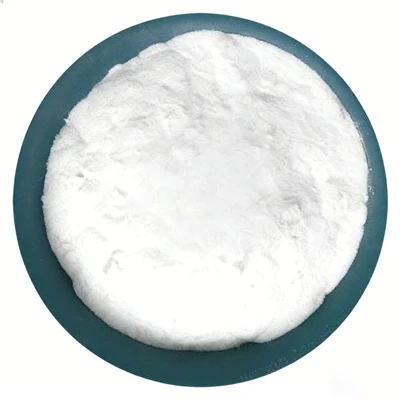
Industrial experts often debate the specific nuances of inorganic compounds, yet few chemicals offer as much versatility in specialty manufacturing as phosphorus derivatives. Determining how to leverage Hyper Phosphoric Acid effectively requires a deep understanding of its dibasic nature and strong reducing properties. Unlike common phosphoric acids found in the food and beverage sectors, this white crystalline material is primarily utilized in the synthesis of high-purity phosphite salts and water treatment chemicals. It is particularly valued in the plastics industry as a stabilizer to prevent discoloration. In the current market, raw material news indicates that the supply of yellow phosphorus has remained steady, which has allowed for a consistent output of high-grade crystalline flakes across major production hubs.
Navigating the differences between various phosphorus types involves comparing acidity levels and solubility. For instance, while orthophosphoric acid is stable, Hyper Phosphoric Acid is highly deliquescent and prone to slow oxidation when left in open containers. For businesses providing water treatment or pharmaceutical intermediates, the step-by-step application begins with strict weight calibration in a low-humidity environment. Because the dissolution process is exothermic, the compound should be added to the solvent in small increments to prevent temperature spikes that could trigger decomposition into phosphine gas at high heats. By strictly adhering to safety protocols-such as wearing acid-resistant gear and storing materials in cool, dry warehouses-operators can maximize the chemical's performance while maintaining a secure facility. Such meticulous attention to technical detail ensures that every industrial cycle achieves its intended chemical yield without compromising safety or product integrity.