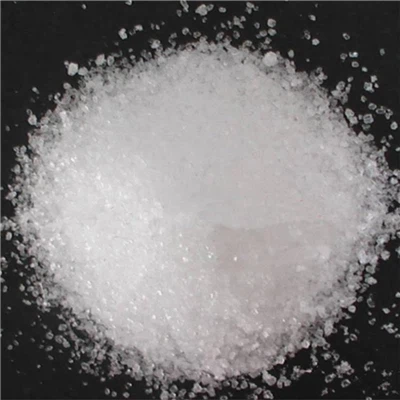
Handling solid cyanide is a task that demands the utmost caution and strict adherence to safety protocols. As a supplier of Solid Cyanide, I understand the critical importance of ensuring that all those who handle this highly toxic substance are well - equipped and informed about the necessary safety measures.
Understanding Solid Cyanide
Solid cyanide, such as Solid Sodium Cyanide, is a powerful and extremely toxic chemical compound. It has a wide range of industrial applications, including gold mining, electroplating, and chemical synthesis. However, its toxicity makes it a significant hazard if not handled properly. Cyanide can enter the body through inhalation, ingestion, or skin contact, and even a small amount can be fatal.


Personal Protective Equipment (PPE)
Respiratory Protection
One of the most crucial pieces of safety equipment when handling solid cyanide is respiratory protection. A self - contained breathing apparatus (SCBA) is often the best choice in high - risk situations. SCBAs provide a supply of clean, breathable air independent of the surrounding environment. They are designed to protect the user from inhaling cyanide gas or dust particles.
In less severe situations, a respirator with a high - efficiency particulate air (HEPA) filter and a cyanide - specific cartridge can be used. These respirators should be properly fitted to ensure a tight seal around the face, preventing any leakage of cyanide - contaminated air. Regular fit - testing is essential to maintain the effectiveness of the respirator.
Eye and Face Protection
Solid cyanide can cause severe eye and facial damage upon contact. Safety goggles or a full - face shield should be worn at all times. Goggles should provide a snug fit around the eyes to prevent any cyanide dust or splashes from entering. A full - face shield offers additional protection to the entire face, including the cheeks, forehead, and chin.
Hand Protection
Gloves are a vital part of the PPE when handling solid cyanide. Chemical - resistant gloves made of materials such as nitrile or neoprene should be used. These gloves are designed to prevent cyanide from coming into contact with the skin. It is important to choose gloves that are appropriate for the specific type of cyanide being handled and to regularly inspect them for any signs of damage or wear.
Body Protection
A chemical - resistant suit should be worn to protect the body from cyanide contamination. The suit should cover the entire body, including the arms, legs, and torso. It should be made of a material that is impermeable to cyanide and should have a secure closure to prevent any gaps where cyanide could enter. Disposable suits are often preferred as they can be easily discarded after use, reducing the risk of cross - contamination.
Storage and Handling Equipment
Storage Containers
Solid cyanide should be stored in tightly sealed, labeled containers made of materials that are resistant to corrosion and leakage. Containers should be clearly marked with the name of the substance, its toxicity level, and any handling instructions. They should be stored in a cool, dry, and well - ventilated area, away from sources of heat, moisture, and incompatible substances.
Handling Tools
When handling solid cyanide, non - sparking tools should be used to prevent the generation of static electricity, which could potentially ignite the cyanide. Tools such as scoops, shovels, and tongs should be made of materials like brass or bronze. These tools should be dedicated solely to cyanide handling to avoid cross - contamination with other substances.
Emergency Response Equipment
First - Aid Kits
First - aid kits specifically designed for cyanide exposure should be readily available in the area where solid cyanide is handled. These kits should contain antidotes such as amyl nitrite ampules, sodium nitrite, and sodium thiosulfate. In addition, they should have basic first - aid supplies such as bandages, antiseptics, and eyewash solutions.
Spill Kits
Spill kits are essential for quickly and safely cleaning up any accidental spills of solid cyanide. The kit should contain absorbent materials such as activated charcoal or vermiculite, which can soak up the cyanide. It should also include protective equipment for the person cleaning up the spill, such as additional PPE and a dustpan and brush for collecting the absorbed cyanide.
Training and Education
Proper training and education are just as important as having the right safety equipment. All personnel who handle solid cyanide should receive comprehensive training on the properties of cyanide, the correct use of safety equipment, and emergency response procedures. Regular refresher courses should be provided to ensure that employees stay up - to - date with the latest safety information.
Conclusion
As a supplier of solid cyanide, I am committed to ensuring that all of our customers have access to the information and resources they need to handle this substance safely. By providing the right safety equipment and promoting proper training, we can minimize the risks associated with handling solid cyanide.
If you are in the market for solid cyanide and have questions about safety equipment requirements or our products, we encourage you to reach out to us for a detailed discussion. Our team of experts is ready to assist you in making the best decisions for your specific needs.
References
- "Cyanide: Health Effects and Safety Measures", Occupational Safety and Health Administration (OSHA)
- "Handling and Storage of Toxic Chemicals", National Institute for Occupational Safety and Health (NIOSH)
- "Chemical Safety Guidelines for Cyanide Compounds", American Chemical Society (ACS)