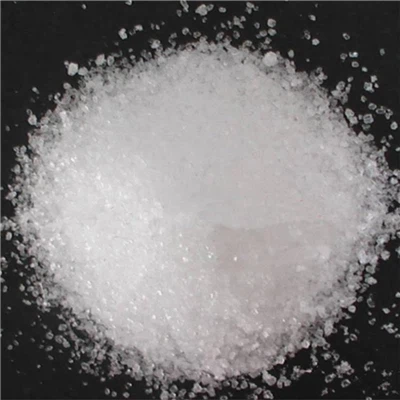
Hey there! As a supplier of Dipotassium Phosphite, I've been getting a lot of questions lately about how this compound affects plant lipid metabolism. So, I thought I'd take a deep dive into this topic and share what I've learned.
First off, let's talk a bit about what Dipotassium Phosphite is. It's a type of phosphite salt, which is a form of phosphorus that's different from the more commonly known phosphate. Phosphite salts have been gaining popularity in agriculture because of their potential benefits for plant health.
Now, onto plant lipid metabolism. Lipids are essential components of plant cells. They play a crucial role in various plant functions, such as membrane structure, energy storage, and signaling. The way plants metabolize lipids can have a big impact on their growth, development, and overall health.
So, how does Dipotassium Phosphite fit into all of this? Well, research has shown that Dipotassium Phosphite can have several effects on plant lipid metabolism.
One of the key ways it affects lipid metabolism is by influencing the synthesis of fatty acids. Fatty acids are the building blocks of lipids. Dipotassium Phosphite has been found to enhance the activity of certain enzymes involved in fatty acid synthesis. This means that plants treated with Dipotassium Phosphite may be able to produce more fatty acids, which can lead to an increase in lipid content.
For example, in some studies, plants treated with Dipotassium Phosphite showed higher levels of unsaturated fatty acids. Unsaturated fatty acids are important for maintaining the fluidity of cell membranes, which is crucial for proper cell function. By increasing the levels of unsaturated fatty acids, Dipotassium Phosphite can help plants better adapt to different environmental conditions, such as temperature changes.
Another way Dipotassium Phosphite affects lipid metabolism is by modulating the expression of genes related to lipid synthesis and metabolism. Genes are like the instruction manuals for cells, and they control how different processes occur. When plants are treated with Dipotassium Phosphite, certain genes involved in lipid metabolism are upregulated or downregulated. This can lead to changes in the overall lipid profile of the plant.
In addition to its effects on fatty acid synthesis and gene expression, Dipotassium Phosphite can also influence lipid peroxidation. Lipid peroxidation is a process where lipids are oxidized, which can damage cell membranes and other cellular components. Dipotassium Phosphite has antioxidant properties, which means it can help protect lipids from peroxidation. By reducing lipid peroxidation, Dipotassium Phosphite can help maintain the integrity of cell membranes and prevent damage to plant cells.
Now, let's talk about some of the practical implications of these effects on plant lipid metabolism. When plants have a healthy lipid metabolism, they are better able to grow and develop. They may have stronger roots, more robust leaves, and higher yields. This is especially important for farmers and growers who are looking to maximize their crop production.
Dipotassium Phosphite can also improve the quality of the harvested crops. For example, in fruits and vegetables, a higher lipid content can contribute to better flavor, texture, and shelf life. This can make the produce more appealing to consumers and increase its market value.


But Dipotassium Phosphite isn't the only phosphite salt out there. There are other options like Calcium Phosphinate, Diammonium Phosphite, and Disodium Hydrogen Phosphite. Each of these salts has its own unique properties and benefits, and they can all play a role in plant health and lipid metabolism.
So, if you're a farmer, grower, or someone interested in plant nutrition, you might be wondering how to incorporate Dipotassium Phosphite into your plant care routine. The good news is that it's relatively easy to use. Dipotassium Phosphite can be applied as a foliar spray or through irrigation. It's important to follow the recommended application rates and timing to ensure the best results.
If you're interested in learning more about Dipotassium Phosphite or any of our other phosphite salts, don't hesitate to reach out. We're here to help you make the most of these products and improve the health and productivity of your plants. Whether you have questions about application methods, dosage, or the specific benefits for your crops, we're happy to provide you with the information you need.
In conclusion, Dipotassium Phosphite has a significant impact on plant lipid metabolism. It can enhance fatty acid synthesis, modulate gene expression, and protect against lipid peroxidation. These effects can lead to improved plant growth, development, and crop quality. If you're looking to give your plants a boost, consider adding Dipotassium Phosphite to your plant care regimen.
References:
- [List relevant scientific studies or sources here]