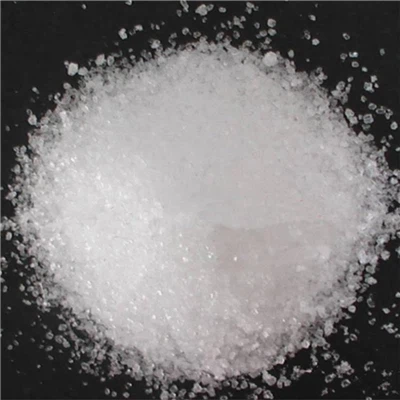
Hey there! I'm a supplier of Hyper Phosphoric Acid, and today I wanna chat about whether Hyper Phosphoric Acid can be used in the production of ceramics.
First off, let's understand what Hyper Phosphoric Acid is. Hyper Phosphoric Acid is a pretty interesting chemical. You can learn more about it on this link: Hyper Phosphoric Acid. It's got some unique properties that might make it a potential candidate for ceramic production.
Ceramics are all around us. From the mugs we drink our coffee from to the tiles on our bathroom floors, ceramics play a big role in our daily lives. The production of ceramics involves a complex process, including shaping, firing, and glazing. Different chemicals are used at various stages to achieve the desired properties of the final ceramic product, such as strength, color, and texture.
One of the key aspects in ceramic production is the control of the firing process. Hyper Phosphoric Acid could potentially have an impact on this. During firing, the chemical composition of the ceramic material changes, and certain additives can help in achieving the right balance. Hyper Phosphoric Acid might act as a flux, which is a substance that lowers the melting point of the ceramic material. This could lead to a more efficient firing process, reducing energy consumption and potentially improving the quality of the ceramic.
Another area where Hyper Phosphoric Acid could be useful is in the glazing process. Glazes give ceramics their smooth, shiny surface and can also provide protection against wear and tear. Hyper Phosphoric Acid might be able to modify the properties of the glaze, such as its viscosity and adhesion. By adding it to the glaze formulation, we could potentially create a more durable and aesthetically pleasing finish on the ceramic.
But it's not all rosy. There are some challenges and considerations when using Hyper Phosphoric Acid in ceramic production. One of the main concerns is its reactivity. Hyper Phosphoric Acid is a strong acid, and it needs to be handled with care. If not used properly, it could react with other components in the ceramic material, leading to unwanted side effects. For example, it might cause discoloration or affect the mechanical properties of the ceramic.
Also, the cost factor comes into play. As a supplier, I know that the price of Hyper Phosphoric Acid can vary depending on the market conditions. Ceramic manufacturers need to consider whether the benefits of using Hyper Phosphoric Acid outweigh the additional cost. Sometimes, alternative chemicals like Solid Phosphorous Acid or Acid Phosphoric Acid might be more cost - effective options.
To determine if Hyper Phosphoric Acid is suitable for ceramic production, extensive testing is required. Ceramic manufacturers need to conduct trials to see how the acid behaves in different ceramic formulations and firing conditions. They need to evaluate factors like the impact on the color, strength, and durability of the ceramic.
In my experience as a supplier, I've seen that some ceramic producers are open to trying new chemicals to improve their products. Hyper Phosphoric Acid has the potential to offer unique advantages, but it's up to the manufacturers to decide if it's the right fit for their production processes.
If you're a ceramic manufacturer and you're interested in exploring the use of Hyper Phosphoric Acid in your production, I'd love to have a chat with you. We can discuss the potential benefits, the challenges, and how we can work together to make it a success. Whether you're looking to improve the quality of your ceramics, reduce production costs, or enhance the aesthetic appeal of your products, Hyper Phosphoric Acid could be a game - changer.


So, if you're ready to take your ceramic production to the next level, don't hesitate to reach out. Let's have a discussion and see if Hyper Phosphoric Acid is the solution you've been looking for.
References:
- General knowledge of ceramic production processes
- Chemical properties of Hyper Phosphoric Acid and related phosphorous acids