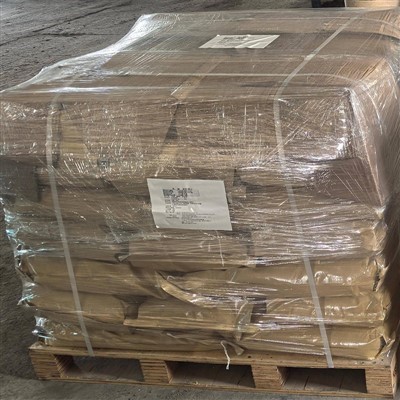
Anilino Acetonitrile
Basic Identification Information
Chinese Name: Anilinoacetonitrile
English Names: N-Phenylglycinonitrile, 2-(Phenylamino)acetonitrile, Anilinoacetonitrile
CAS No.: 3009-97-0
EINECS No.: 221-129-0
Molecular Formula: C₈H₈N₂
Relative Molecular Mass: 132.16
InChIKey: KAXCEFLQAYFJKV-UHFFFAOYSA-N
Appearance and Physicochemical Properties
Anilinoacetonitrile is a yellow crystalline low-melting-point solid, with the detailed physicochemical parameters as follows:
Melting Point: Approximately 40–47℃ (with variations reported in different literatures)
Density: Approximately 1.10–1.11 g/cm³
Flash Point: Approximately 137.4℃
Refractive Index: Approximately 1.59–1.60
Boiling Point: Approximately 303.5℃ at atmospheric pressure; 149–150℃ under reduced pressure (4 Torr) (data from different literatures for reference)
Others: Decomposes upon heating
Main Applications and Upstream & Downstream Correlations
Anilino Acetonitrile serves as a key intermediate for the synthesis of Indigo, and is widely applied in the dye sector such as denim fabric dyeing. Meanwhile, Anilino Acetonitrile can also be used as a raw material for organic synthesis.
Upstream Raw Materials: Mainly aniline and glycolonitrile (glycolonitrile can be produced via the formaldehyde + cyanide route)
Downstream Products: Indigo and various related finished dyes
Typical Quality Specifications and Packaging Specifications
Appearance: Yellow or yellowish-brown solid/powder
Purity: ≥96% (industrial grade/reagent grade)
Melting Point: Approximately 40–47℃
Packaging: Standard packaging includes 1 kg/bag and 25 kg/drum. Customized packaging is available to meet customer requirements.
Hot Tags: anilino acetonitrile, China anilino acetonitrile, organic chemical intermediates, Iminodiacetic, Beafully Dl Mandelic Acid, 4 6 Dihydroxypyrimidine, DL Mandelic Acid to Mandelic Acid, Solid Iminodiacetonitrile