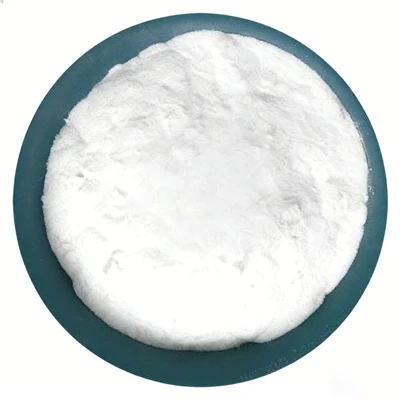
Chemical manufacturers frequently rely on versatile reagents to drive complex synthesis processes, particularly those involving redox reactions or stabilization. Phosphorus-based additives serve as essential pillars in these operations, with their specific oxidation states dictating their ultimate utility in high-performance mixtures. A fundamental chemical often utilized for its unique reducing properties is Disodium Hydrogen Phosphite. This compound exists in both anhydrous and pentahydrate forms, each offering distinct molecular weights and solubility characteristics tailored to diverse laboratory and manufacturing environments. Its primary characteristic is the phosphorus atom in the +3 oxidation state, which grants the substance its valuable chemical behavior in industrial applications. Unlike other salts that might remain inert, this specific agent actively participates in reduction pathways, making it indispensable for certain plating solutions, flame retardant formulations, and as a stabilizer in chemical production chains. Market supply chains for phosphorus derivatives are currently witnessing a shift toward higher purity grades, as consistency in chemical behavior is paramount for complex synthesis where even minor impurities can destabilize the final yield. Consequently, understanding the nuanced behavior of Disodium Hydrogen Phosphite allows chemists to optimize reaction conditions, ensuring both the efficiency of the synthesis and the reliability of the resulting industrial-grade products.
Safety and storage protocols remain critical due to the highly hygroscopic nature of these salts, as exposure to ambient moisture can significantly alter their chemical composition and efficacy. Handling requires precise environmental control, as the pentahydrate form is sensitive to temperature, decomposing at approximately 53°C. When managing Disodium Hydrogen Phosphite in a production setting, facility protocols must prioritize moisture-proof, hermetically sealed storage containers to prevent the material from clumping or absorbing atmospheric water, which would skew mass-balance measurements during precise chemical mixing. Operators should be trained to manage these chemicals in a cool, dry area away from reactive strong oxidants to avoid unintended exothermic episodes. Step-by-step preparation involves dissolving the salt in controlled, weakly alkaline aqueous solutions, which ensures the compound remains stable throughout the application process. Because the chemical properties are sensitive to heat and humidity, documenting the precise storage time and ambient conditions is essential for maintaining strict industrial quality standards. By following these operational guidelines, laboratory technicians and process engineers can guarantee the consistent performance of Disodium Hydrogen Phosphite in their respective applications. Ultimately, mastery of the chemical handling and storage lifecycle is just as important as the chemical synthesis itself, ensuring that all safety protocols are met while maximizing the yield and effectiveness of these critical phosphorus-based components in large-scale production.