

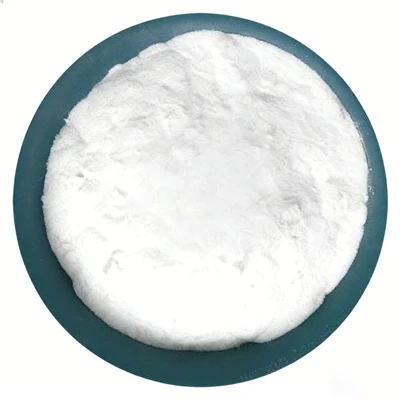
Producing DL-Mandelic acid starts with benzaldehyde reacting with sodium cyanide and sodium bisulfite to form mandelonitrile. This intermediate is then hydrolyzed under acidic conditions-usually sulfuric acid at 80–100°C-to yield the crude acid. The mixture is cooled, filtered, and crystallized from water or ethanol to isolate the white powder. Purity hits 99%+ after recrystallization. The racemic DL form comes directly from this route since no chiral separation occurs. (DL-Mandelic acid) producers control temperature tightly to avoid side reactions like benzoin formation. Yield typically reaches 85–90% with good process optimization. Wastewater treatment handles cyanide residues carefully to meet environmental regs. Some plants use continuous flow reactors for better consistency and safety over batch methods. Final product is dried, milled, and packed under nitrogen to prevent oxidation. Quality checks include HPLC for purity, melting point (118–120°C), and optical rotation (near zero for DL). The process stays cost-effective when scaled, making it widely available for cosmetic and pharmaceutical use.
How do manufacturers produce DL-Mandelic acid on an industrial scale?



Send Inquiry